
Introduction: Mastering Outdoor Visual Communication in Challenging Environments
In today’s competitive global advertising landscape, outdoor fixed LED displays have become indispensable tools for businesses aiming to capture public attention with dynamic and impactful visual content. From bustling city centers to expansive highways, these large-format screens deliver advertising, public information, and entertainment around the clock. However, selecting the right outdoor LED display that can maintain high clarity under intense sunlight and withstand severe weather conditions is a complex decision for any B2B buyer. This comprehensive guide will walk you through the essential considerations, technical parameters, and strategic choices to ensure your investment in an outdoor LED display yields optimal performance and long-term value.
Inderstanding the Core Challenges of Outdoor LED Deployments 
Unlike indoor screens, outdoor fixed LED displays face a barrage of environmental challenges. These include direct sunlight, extreme temperatures (both hot and cold), heavy rain, strong winds, dust, and even potential impact. Each of these factors can severely compromise display performance, visual quality, and lifespan if not adequately addressed through robust design and advanced technology.
The Problem of High Brightness and Glare
High ambient light, particularly direct sunlight, is the arch-nemesis of any outdoor display. Without sufficient brightness, content appears washed out, dull, and loses its impact. Glare can further reduce visibility, making it difficult for the audience to discern messages. Achieving high brightness display is not just about raw lumen output; it’s about intelligent light management.
The Threat of Harsh Weather Conditions
Rain, humidity, dust, and temperature fluctuations pose significant threats. Water ingress can short-circuit components, dust accumulation can degrade cooling systems and optics, and extreme temperatures can accelerate material degradation and affect LED performance. This is where a superior IP65 protection rating becomes critically important.
Operational Costs: The Hidden Drain
Beyond initial purchase, the operational costs of running a large outdoor advertising screen can be substantial, especially concerning power consumption. High energy bills not only impact profitability but also raise environmental concerns. This highlights the growing demand for energy-efficient outdoor displays.
Key Technical Parameters for Optimal Outdoor Performance
To overcome these challenges, a deep understanding of core LED display technical parameters is crucial.
1. Brightness (Nits)
For outdoor applications, brightness is king. While indoor displays might operate at 800-1,200 nits, outdoor LED displays demand significantly higher luminance, typically ranging from 6,000 to 10,000+ nits. This ensures content remains vibrant and legible even under direct midday sun.
2. IP Protection Rating (Ingress Protection)
The IP65 protection rating is the industry standard for outdoor fixed LED displays.
• IP65 : Total protection against dust ingress. This prevents dust and fine particles from entering the cabinet, protecting delicate internal components.
• IP65: Protection against low-pressure jets of water from any direction. This ensures the display can withstand heavy rain and even direct spraying without water ingress causing damage.
Always verify both front and rear IP ratings, as both sides are exposed to the elements.
3. Pixel Pitch (mm)
The distance between pixels dictates the optimal viewing distance and image clarity.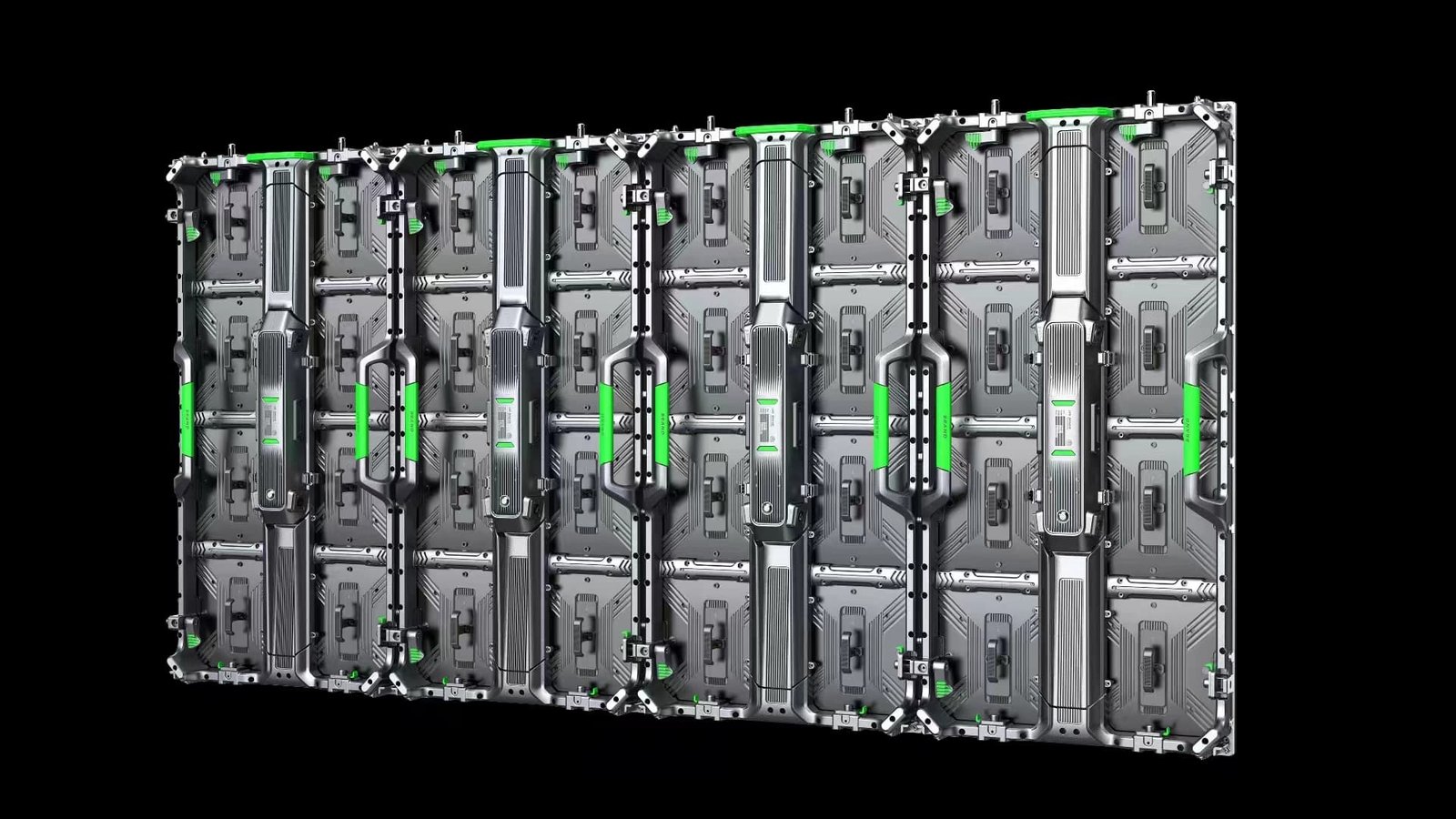
[ Larger Pixel Pitch (e.g., P8, P10): Suitable for applications where viewers are generally farther away, such as highway billboards. These offer a good balance of cost and performance for long-distance viewing.
• Smaller Pixel Pitch (e.g., P3, P4, P5): Ideal for closer viewing distances in urban centers or commercial plazas where higher detail and resolution are required. While more expensive, they deliver superior image quality up close.
4. Refresh Rate (Hz)
A high refresh rate, typically ≥3840 Hz, is vital for smooth video playback, especially for high-speed content or live broadcasts. It prevents flickering, motion blur, and ensures content looks fluid and professional, crucial for engaging an audience on an outdoor advertising screen.
5. Gray Scale (Bit Depth)
Higher gray scale values (16-bit or greater) translate to more shades of color, resulting in richer, more accurate color reproduction and smoother gradients. This significantly enhances the visual depth and realism of the content.
6. Power Consumption and Energy Efficiency
Modern energy-efficient outdoor displays utilize advanced LED technologies and intelligent power management systems to minimize energy consumption. Look for specifications on average and maximum power consumption per square meter (e.g., 300W/m² average, 900W/m² max) and certifications for energy efficiency.
Strategic Selection: Matching Your Needs with the Right Outdoor LED Display
Choosing the best outdoor fixed LED display involves more than just understanding specifications; it requires aligning these parameters with your specific application, audience, and budget.
For Highway Billboards (Long Viewing Distances)
• Pixel Pitch: P8, P10, or even larger (P16). Viewers are typically hundreds of meters away.
• Brightness: 8,000 – 10,000 nits to cut through strong sunlight.
• IP Rating: Robust IP65 front and rear.
• Content: Simple, bold messages and clear graphics for quick comprehension.
For Urban Commercial Plazas & High-Footfall Areas (Moderate Viewing Distances)
• Pixel Pitch: P4, P5, P6. Viewers are closer, requiring more detail.
• Brightness: 7,000 – 8,500 nits.
• IP Rating: Strong IP65.
• Content: High-resolution videos, detailed advertising, and interactive elements.
For Stadium Perimeters & Large Venue Exteriors (Mixed Viewing Distances)
• Pixel Pitch: P6, P8. A balance for both close-up and distant viewing.
• Brightness: 7,500 – 9,000 nits for consistent visibility.
• IP Rating: IP65 is non-negotiable.
• Content: Live scores, advertising, crowd-engaging visuals.
Installation and Maintenance Considerations for Advertising Large Screens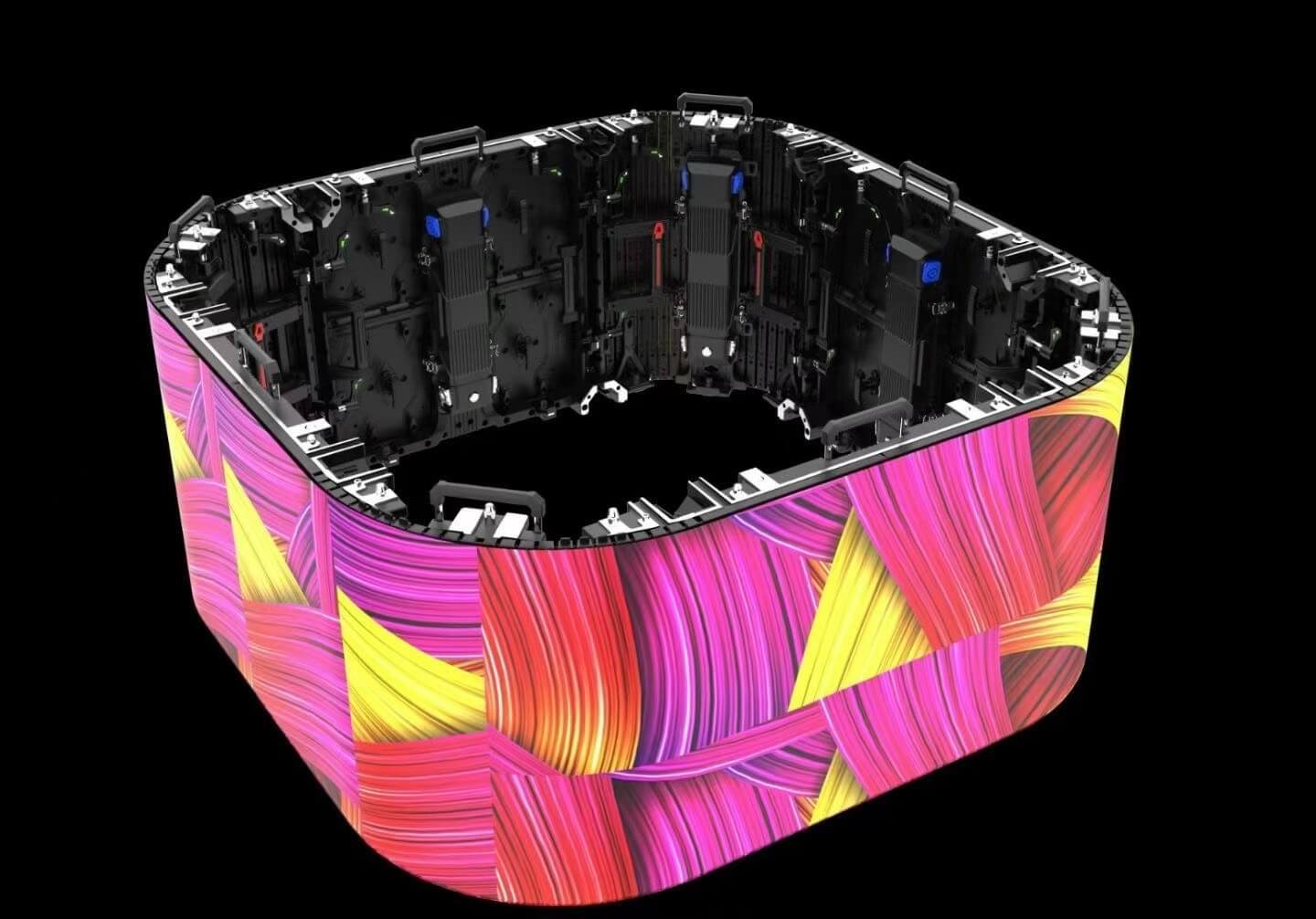
Beyond the technical specs, successful deployment of an outdoor advertising screen relies heavily on professional advertising large screen installation and ongoing maintenance.
Robust Installation Structure
Fixed installations require sturdy, engineered support structures that can withstand high winds and seismic activity. Consider factors like wind load, structural integrity, and ease of access for future maintenance.
Front vs. Rear Maintenance
• Front Maintenance: Ideal for wall-mounted displays where rear access is limited or impossible. Modules can be serviced from the front, simplifying maintenance.
• Rear Maintenance: Common for pole-mounted or standalone billboard structures where rear access is feasible.
Cooling Systems
Effective heat dissipation is critical for extending the lifespan of LEDs and other components. Look for displays with intelligent cooling designs, including efficient heat sinks and potentially fan-assisted systems, especially in hot climates.
Cable Management and Power Distribution
Proper wiring and power distribution are essential for safety and reliability. Ensure all outdoor cabling is rated for external use and properly sealed against moist
Conclusion: Investing Wisely in Your Outdoor Fixed LED Display
Choosing the right outdoor fixed LED display is a significant investment that promises powerful visual communication and substantial ROI when done correctly. By prioritizing IP65 protection, selecting appropriate pixel pitch for viewing distances, ensuring high brightness display, and opting for energy-efficient outdoor displays, you can build an outdoor advertising screen that truly stands out. Beyond technology, collaborate with a reputable manufacturer and a professional installation team experienced in advertising large screen installation to guarantee a seamless deployment and long-term success.
Empower your brand with a visual solution that performs flawlessly, rain or shine, day or night.
常见问题解答 (FAQ)
A1: For optimal visibility under direct sunlight, a minimum brightness of 6,000 nits is generally recommended, with 8,000-10,000 nits being ideal for peak performance in very bright conditions.
Q2: Why is an IP65 rating important for outdoor LED displays?
A2: An IP65 rating guarantees complete protection against dust ingress (first digit ‘6’) and protection against low-pressure water jets from any direction (second digit ‘5’). This is crucial for ensuring the display’s durability, reliability, and safe operation in various outdoor weather conditions.
Q3: How do I choose the correct pixel pitch for my outdoor LED advertising screen?
A3: Pixel pitch selection depends primarily on the minimum and optimal viewing distances of your audience. For closer viewing, a smaller pixel pitch (e.g., P3, P4) provides higher clarity. For longer viewing distances (e.g., highway billboards), a larger pixel pitch (e.g., P8, P10) is more cost-effective while still providing clear visuals.
A4: Yes. While they might have a slightly higher upfront cost, energy-efficient outdoor displays significantly reduce long-term operational expenses due to lower power consumption. This leads to substantial savings on electricity bills over the display’s lifespan and contributes to environmental sustainability.
Q5: What are the main considerations for outdoor advertising large screen installation?
A5: Key considerations include a robust, engineered support structure to withstand wind and weather, choosing between front or rear maintenance access based on location, efficient heat dissipation systems, and proper waterproof cabling and power distribution for safety and longevity.