
Introduction: The Modern Arena: Where Spectacle Meets Precision
The roar of the crowd, the intensity of the competition, the drama of live sports – these elements define the exhilarating atmosphere of modern stadiums and arenas. Integral to this experience are advanced visual technologies, with LED displays taking center stage. From dynamic scoreboards to immersive perimeter screens, sports venue displays are no longer just informative; they are powerful tools for engaging fans, attracting advertisers, and enhancing broadcast quality. However, for any digital upgrade in a sports facility, two critical factors stand paramount: uncompromising safety and impeccable real-time performance. This comprehensive guide will dissect how cutting-edge LED technology addresses these twin demands, focusing on Stadium LED Perimeter Screens and scoreboards, featuring innovations like Soft Mask Protection and High Impact Resistant LED solutions.
The Evolution of Sports Venue Displays: Beyond Static Scores
Gone are the days of simple, static scoreboards. Today’s sports venues are transforming into digital ecosystems, offering multi-faceted visual experiences. This evolution is driven by the need to:
- Enhance Fan Engagement: Deliver dynamic replays, real-time statistics, and interactive content.
- Maximize Advertising Revenue: Offer flexible, high-impact platforms for sponsors.
- Improve Broadcast Quality: Provide flicker-free visuals for television audiences.
- Ensure Operational Efficiency: Update information instantly and reliably.
This transition necessitates LED displays that are not only visually spectacular but also engineered for the unique, high-stakes environment of live sports.
Safety First: Protecting Athletes, Fans, and Investment
The high-energy environment of a sports arena means that LED displays must be more than just robust; they must be inherently safe. Collisions with athletes, accidental impacts from equipment, and the constant exposure to crowds demand specialized protective measures.
- Soft Mask Protection: Mitigating Player Injury Risks
The direct interaction between athletes and pitch-side displays, particularly Stadium LED Perimeter Screens, makes safety a paramount concern. Traditional hard plastic masks can pose a laceration risk during collisions. This is where Soft Mask Protection technology becomes invaluable.
The Design and Benefits of Soft Mask Protection
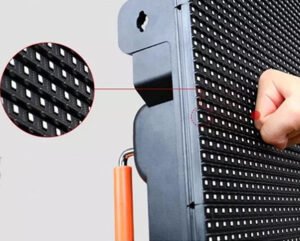
Soft Mask Protection involves covering the front surface of the LED modules with a highly elastic, impact-absorbing rubber or silicone material. This specialized soft mask is designed to:
- Reduce Impact Force: When a player collides with the screen, the soft mask absorbs and disperses the energy, significantly minimizing the risk of injury to athletes.
- Prevent Lacerations: The smooth, pliable surface eliminates sharp edges and rigid points that could cause cuts or abrasions.
- Protect LEDs: While protecting players, the soft mask also offers an additional layer of defense for the delicate LED lamps beneath, preventing damage from minor impacts.
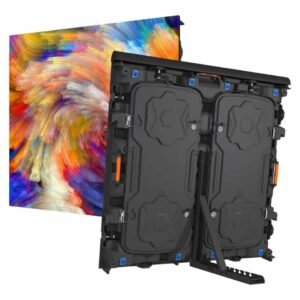 This innovation is a non-negotiable feature for any Stadium LED Perimeter Screen, ensuring the well-being of the most valuable assets on the field – the players.
- High Impact Resistant LED: Durability in High-Action Zones
Beyond the soft mask, the entire display structure, part
cularly for perimeter screens and scoreboards in areas prone to accidental strikes (e.g., from balls, hockey pucks), must feature High Impact Resistant LED design.
Engineering for High Impact Durability
High Impact Resistant LED solutions involve several engineering considerations:
- Robust Cabinet Construction: Heavy-duty aluminum or reinforced steel cabinets designed to absorb and distribute shock.
- Reinforced Module Design: LED modules with strengthened frames and secure fastening mechanisms to prevent dislodgement upon impact.
- Specialized PCB Protection: Internal components are often potted or coated to protect against vibrations and minor shocks.
- Testing Standards: Displays should meet specific impact resistance standards, often tested against simulated ball impacts at high velocities.
This robust construction ensures that your sports venue display remains functional and visually perfect even after sustained exposure to the rigors of live sporting events.
- Electrical Safety and International Standards
Given their scale and outdoor exposure, sports venue LED displays must adhere to stringent electrical safety standards.
- IP Rating: For outdoor installations, an IP65 or higher rating is essential, guaranteeing complete protection against dust ingress and resistance to powerful water jets (e.g., heavy rain).
- Grounding and Surge Protection: Proper grounding and integrated surge protection systems are critical to safeguard against lightning strikes and power fluctuations.
- CE/UL Certifications: Compliance with international safety and quality certifications ensures the product meets global standards for safe operation.
Real-Time Performance: Engaging Fans and Enhancing Broadcasts
The dynamism of live sports demands LED displays that can deliver content with impeccable speed, clarity, and consistency. Real-time updates and flicker-free visuals are paramount for both the live audience and global broadcasters.
- Dynamic Content Delivery: Instant Updates
Modern sports events are data-rich spectacles. Sports venue displays must integrate seamlessly with scoring systems, statistical databases, and media feeds to deliver real-time updates.
- Instant Score Updates: Scoreboards must display changes instantaneously.
- Live Statistics: Player stats, game clocks, and leaderboards updated in real-time.
- Dynamic Advertising: Sponsors can run targeted ads or celebrate victories instantly, maximizing their impact.
This level of real-time responsiveness is key to keeping fans informed and engaged, enhancing the overall event experience.
- High Refresh Rates for Flicker-Free Broadcasts
For Live Event Broadcast Screens, a high refresh rate (typically ≥3840 Hz, often exceeding 7680 Hz for premium systems) is non-negotiable.
- Eliminates Flickering: High refresh rates ensure that the image appears smooth and stable to television cameras, preventing the distracting flicker or scan lines that can occur with lower refresh rates. This is vital for maintaining professional broadcast quality for a global audience.
- Smooth Motion: For rapid sports action, a high refresh rate ensures that fast-moving objects (e.g., a football, a racing car) are displayed with crisp clarity, without motion blur.
- Wide Viewing Angles for Immersive Fan Experience
A truly effective sports venue display must cater to every fan in the stadium, regardless of their seat location. Wide horizontal and vertical viewing angles (typically 140°/140° or greater) ensure:
- Consistent Image Quality: Fans experience uniform brightness, color, and clarity from diverse vantage points.
- No Color Shift: Colors remain accurate and vibrant even when viewed off-axis, preventing distortion or dullness.
 This broad visibility ensures every spectator enjoys an immersive and high-quality visual experience.
Technical Parameters Critical for Sports Venue Displays
Beyond safety and real-time responsiveness, other technical specifications underpin the superior performance
ese specialized displays.
- Optimal Pixel Pitch for Mixed Viewing Distances
For large venues, pixel pitch selection is a balance.
- Perimeter Screens: Often P6, P8, or P10 to provide clear visuals for both close-up spectators and those in the upper tiers, as well as for broadcast cameras.
- Giant Scoreboards/Replay Screens: Can use larger pixel pitches like P10 or P16 if the primary viewing distance is very far, balancing cost and clarity. However, finer pitches (P6-P8) are preferred for high-resolution replays.
- Brightness for All Conditions
Outdoor sports venue displays require high brightness (typically 6,500-10,000+ nits) to remain visible and impactful under direct sunlight. Indoor arena displays also need robust brightness (1,200-2,000 nits) to compete with powerful stadium lighting, along with fine brightness adjustment capabilities to suit varying light levels during events.
- IP Rating: All-Weather Reliability
As discussed, an IP65 protection rating is paramount for outdoor Stadium LED Perimeter Screens and scoreboards, ensuring complete protection against dust and water ingress, allowing uninterrupted operation regardless of weather conditions.
- Gray Scale and Color Uniformity
A high gray scale (16-bit or 18-bit) and excellent color uniformity across all modules ensure rich, accurate color reproduction and smooth gradients. This is vital for displaying vivid team colors, intricate graphics, and professional advertisements without banding or patchiness.
Strategic Applications of Sports LED Display Technology
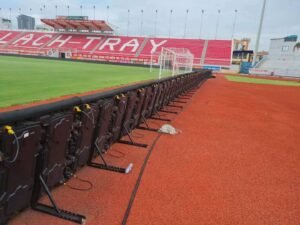 The versatility of LED displays allows for diverse applications within sports venues, each serving distinct purposes.
- Perimeter Screens: Advertising and Fan Engagement
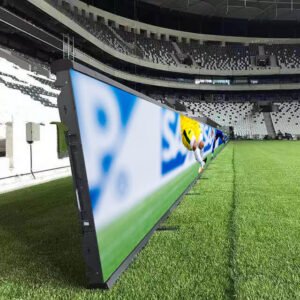
Stadium LED Perimeter Screens are a primary revenue generator, offering dynamic advertising opportunities for sponsors. They also serve to engage fans with real-time scores, interactive animations, and crowd prompts, creating an electric atmosphere. Their modular design and impact resistance are crucial here.
- Giant Scoreboards and Replay Screens: Information and Immersion
Central scoreboards and giant replay screens provide crucial game information (score, time, fouls) and deliver high-definition instant replays, often in slow motion. These are the focal points of fan attention, demanding the highest visual fidelity and real-time responsiveness. As Live Event Broadcast Screens, their quality directly impacts the global viewership experience.
Installation and Maintenance: Ensuring Longevity and Efficiency
The successful long-term operation of sports venue displays depends on meticulous installation and efficient maintenance strategies.
Robust and Flexible Installation
Perimeter screens require flexible mounting systems that can adapt to the curvature of the pitch while ensuring stability and quick setup/teardown. Scoreboards need custom structural engineering to safely support their immense size and weight.
Front vs. Rear Serviceability
Many modern sports venue displays feature front-serviceable modules, allowing technicians to quickly replace faulty panels from the front of the screen. This minimizes downtime and disruption, critical during busy sports seasons.
 Thermal Management
Efficient cooling systems are essential to prevent overheating, especially for high-brightness outdoor displays operating in warm climates. Proper thermal design extends the lifespan of the LEDs and ensures consistent performance.
Conclusion: Pioneering the Future of Sports Entertainment
The digital upgrade of sports venues, propelled by innovations in LED technology, is redefining sports entertainment. By meticulously integrating displays featuring Soft Mask Protection, High Impact Resistant LED construction, and an unwavering commitment to real-time performance with high refresh rates for Live Event Broadcast Screens, venues can offer an unparalleled experience. The strategic deployment of Stadium LED Perimeter Screens and advanced scoreboards, underpinned by crucial technical parameters, not only safeguards athletes and investment but also ensures maximum fan engagement and pristine broadcast quality. For the future of sports, embracing these advanced visual solutions is paramount to creating dynamic, safe, and unforgettable spectacles worldwide.
Frequently Asked Questions (FAQ)
Q1: Why is safety, particularly soft mask protection, so crucial for stadium LED perimeter screens?
A1: Soft Mask Protection for Stadium LED Perimeter Screens is crucial because athletes frequently interact with these displays during play. The soft, pliable material significantly reduces the risk of injury (lacerations, abrasions) to players during collisions, while also protecting the LED modules from impact damage.
Q2: What defines a “High Impact Resistant LED” display for sports venues?
A2: A High Impact Resistant LED display is engineered with robust cabinets, reinforced module designs, and specialized component protection to withstand accidental impacts from sports equipment (e.g., footballs, hockey pucks) without sustaining damage or compromising performance. It ensures durability in high-action areas of a sports venue display.
Q3: How do LED displays ensure real-time content delivery for live events?
A3: Sports venue displays integrate with venue-specific scoring systems, data feeds, and content management platforms. This allows for instantaneous updates of scores, statistics, replays, and advertising content, ensuring that both live audiences and broadcasters receive information in real-time.
Q4: What refresh rate is necessary for a Live Event Broadcast Screen to avoid flickering on camera?
A4: For a Live Event Broadcast Screen, a high refresh rate of ≥3840 Hz is essential. Higher refresh rates (e.g., 7680 Hz) are often preferred. This ensures that the LED display appears perfectly smooth and flicker-free when captured by broadcast cameras, maintaining professional production quality for television and online audiences.
Q5: Beyond safety and real-time aspects, what other technical parameters are important for a comprehensive sports venue display?
A5: Other important technical parameters include an appropriate pixel pitch (balancing viewing distance and clarity), high brightness (to contend with ambient light), a robust IP65 or higher rating (for outdoor weather resistance), wide viewing angles for audience visibility, and high gray scale for vibrant, accurate color reproduction.