
Cut your energy bills! Learn how Common Cathode technology and energy-saving power supplies can drastically reduce your outdoor LED billboard power consumption. Get a free quote!
The Ultimate Secret: Cutting Outdoor LED Billboard Power Consumption by Up To 30%
Introduction: The Hidden Cost of High-Impact Outdoor Advertising
Outdoor LED billboards are undisputed giants in the advertising world, commanding attention with their vibrant, dynamic visuals in bustling urban centers and along major highways. They represent a significant capital investment, designed to deliver unparalleled brand visibility and advertising revenue. However, beneath the brilliant facade lies a substantial and often overlooked operational cost: LED billboard power consumption. For engineering contractors, advertising media specialists, and property owners managing these large-scale digital assets, optimizing energy efficiency is not merely about environmental responsibility; it’s a direct pathway to significantly enhance profitability and secure a robust return on investment. This authoritative guide will demystify the advanced technologies and strategic choices that can drastically reduce LED billboard power consumption by up to 30%, focusing on innovations like Common Cathode technology and energy-saving power supplies, transforming a major expense into a sustainable competitive advantage.
The Energy Dilemma of Outdoor LED Billboards
Outdoor LED billboards operate 24/7, battling direct sunlight and demanding high brightness levels to maintain impact. This continuous, high-intensity operation inherently consumes substantial electrical power, leading to:
- Exorbitant Electricity Bills: A major recurring operational expense that erodes profitability.
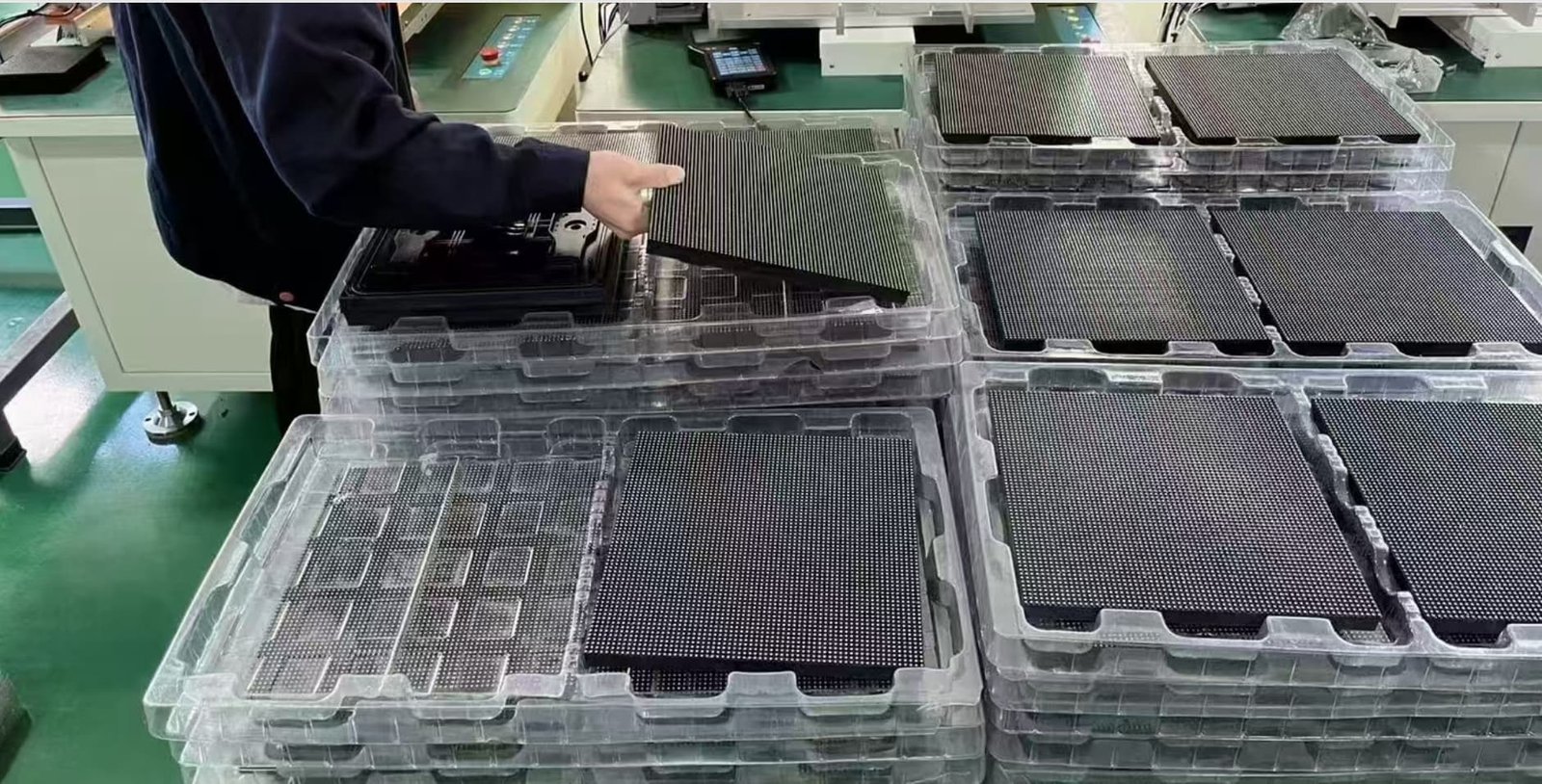
- Increased Heat Generation: Higher power consumption leads to more heat, accelerating component degradation and shortening the display’s lifespan.
- Environmental Concerns: Larger carbon footprint, conflicting with corporate sustainability goals.
- Grid Strain: Contributing to peak load demands, particularly in high-density urban areas.
Addressing these pain points requires a holistic approach to energy efficiency, moving beyond basic components to advanced technological integration designed specifically to minimize LED billboard power consumption.
Advanced Technologies: The Pillars of Energy-Efficient LED Billboards
Significant advancements in LED technology, particularly in power management and chip architecture, have made substantial reductions in energy consumption possible without compromising visual performance.
- Common Cathode Technology: A Paradigm Shift in Power Delivery
Traditional LED displays often use a “Common Anode” power supply, where red, green, and blue LED chips receive power via a shared positive electrode. This method leads to a higher overall voltage for all chips, resulting in energy loss as heat. Common Cathode technology represents a revolutionary departure from this.
How Common Cathode Technology Reduces Power Consumption
- Independent Voltage Control: In a Common Cathode system, red, green, and blue LED chips are powered independently, each receiving their optimal forward voltage. The red LED chip, which typically requires a lower voltage (around 2.0-2.2V) than green and blue (around 2.8-3.2V), is supplied with precisely what it needs.
- Reduced Heat Generation: By minimizing the voltage difference across the red LED chip, Common Cathode technology dramatically reduces unnecessary power dissipation as heat. This direct power supply, matching the specific voltage requirements of each color, is significantly more efficient.
- Lower Overall Temperature: Less heat generation means the display operates at a cooler temperature. This directly contribute
s to:
• Extended Lifespan: LEDs and other electronic components degrade slower, increasing the operational life of the billboard.
• Improved Stability: Components operate within their optimal temperature range, leading to greater reliability.
• Reduced Thermal Stress: Less stress on all components, minimizing the risk of premature failure.
The result is a more efficient, cooler, and longer-lasting LED billboard, with LED billboard power consumption reduced by 20% to 30% compared to traditional Common Anode designs.
- High-Efficiency Energy-Saving Power Supplies
The power supply unit (PSU) is the heart of any LED display, converting AC utility power to the DC voltage required by the LEDs. Employing energy-saving power supplies that achieve high conversion efficiency is crucial.
Key Features of Energy-Saving Power Supplies
- High Conversion Efficiency: Look for power supplies with efficiency ratings of 90% or higher. This means less energy is lost as heat during the AC-DC conversion process.
- Power Factor Correction (PFC): Active PFC circuits minimize reactive power, ensuring that the power drawn from the grid is utilized effectively, further reducing energy waste.
- Intelligent Voltage Regulation: Advanced PSUs can intelligently regulate voltage to match the dynamic power demands of the LED display, optimizing consumption in real-time.
- Temperature Stability: Designed to operate reliably across a wide range of outdoor temperatures, maintaining efficiency in extreme conditions.
Combining Common Cathode technology with high-efficiency energy-saving power supplies creates a synergistic effect, delivering the most significant reductions in LED billboard power consumption.
- Smart Brightness Adjustment and Light Sensors
Manually setting a constant high brightness level, even at night, is a major energy waste.
- Integrated Light Sensors: These sensors detect ambient light levels and automatically adjust the display’s brightness. The billboard brightens during the day to compete with sunlight and dims at night to avoid glare and save power.
- Dynamic Brightness Control: Advanced control systems allow for pre-scheduled brightness adjustments based on time of day, further optimizing LED billboard power consumption. For instance, dimming by 50% during off-peak night hours can yield substantial savings.
- High-Efficiency LED Chips
The fundamental light-emitting diodes themselves have seen continuous improvements in luminous efficacy (lumens per watt).
- Premium LED Chips: Utilizing high-quality, high-brightness, and low-power LED chips from reputable manufacturers (e.g., Nationstar, Epistar) directly contributes to overall energy efficiency. These chips produce more light with less electricity.
The Tangible Benefits of Reduced LED Billboard Power Consumption
Implementing energy-efficient technologies delivers immediate and long-lasting benefits that directly impact your bottom line and environmental standing. - Significant Cost Savings: Reducing power consumption by 20-30% translates into tens of thousands of dollars in electricity bill savings annually for large outdoor billboards, drastically improving operational profitability.
- Extended Display Lifespan: Cooler operating temperatures due to less heat generation extend the operational life of LED chips and other components, reducing the frequency of repairs and replacements.
- Enhanced Reliability: Components operating within optimal temperature ranges are less prone to failure, leading to greater display uptime and consistent performance.
- Reduced Carbon Footprint: Lower energy usage contributes to corporate social responsibility (CSR) initiatives and aligns with global efforts towards sustainability, enhancing public image.
- Less Maintenance: Cooler, more stable operation means fewer service calls related to heat- induced component failures.
Case Studies: Real-World Impact
Consider a large outdoor LED billboard (e.g., 100 square meters) operating 18 hours a day. A 30% reduction in LED billboard power consumption could mean: - Average Power Consumption (Traditional): 300W/sqm average = 30kW for 100 sqm.
- Annual Consumption (Traditional): 30kW * 18h/day * 365 days/year = 197,100 kWh.
- Annual Cost (Traditional @ $0.15/kWh): $29,565.
With a 30% reduction: - New Average Power Consumption: 21kW for 100 sqm.
- New Annual Consumption: 21kW * 18h/day * 365 days/year = 137,970 kWh.
- New Annual Cost: $20,695.50.
- Annual Savings: $8,869.50.
Over a 10-year lifespan, this amounts to nearly $90,000 in savings from just one billboard, demonstrating the profound financial impact of energy-efficient design.
LSON Display: Your Partner in Sustainable Outdoor Advertising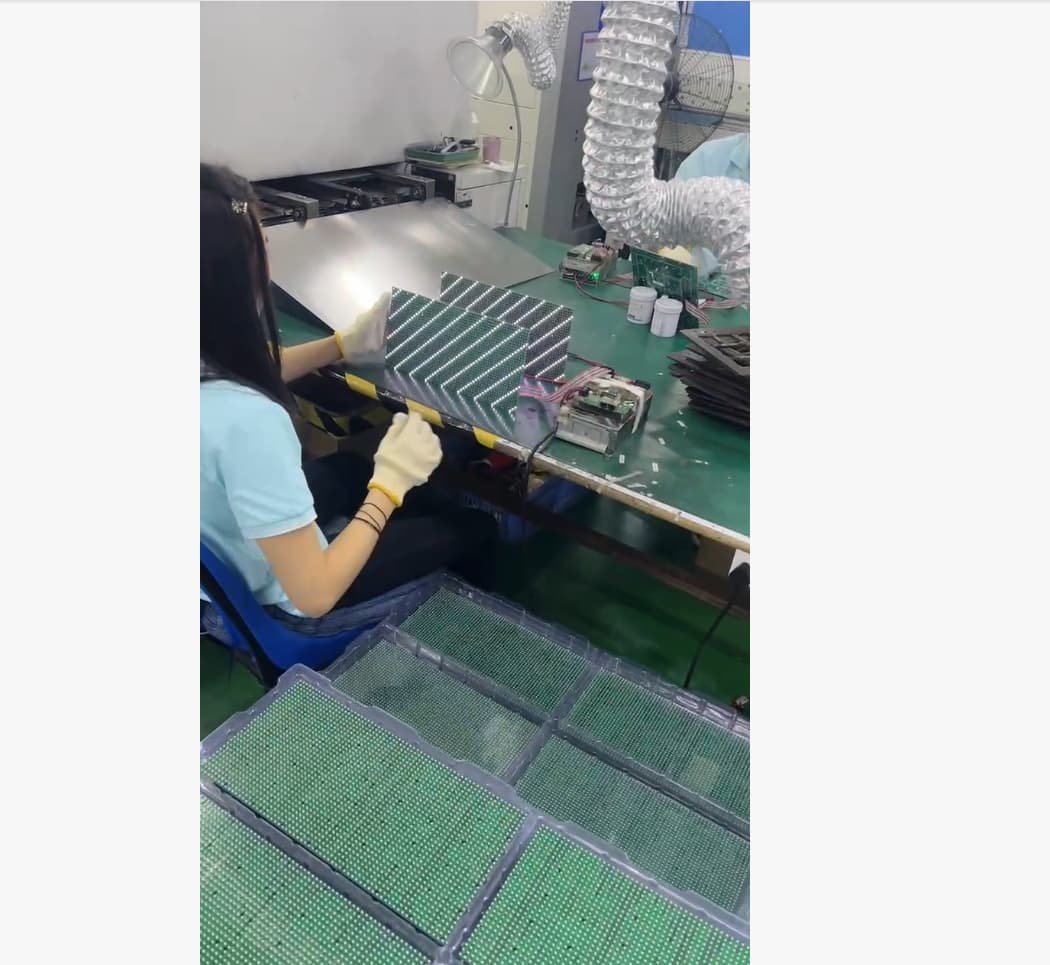
Optimizing LED billboard power consumption requires a manufacturer committed to cutting-edge research and rigorous engineering. LSON Display, with 15 years of industry leadership, specializes in providing advanced, energy-efficient outdoor displays that deliver maximum impact with minimal operational costs. Our expertise in integrating Common Cathode technology, high-efficiency energy-saving power supplies, and smart brightness controls ensures your outdoor LED billboards achieve significant reductions in power consumption without compromising visual brilliance or lifespan. We offer comprehensive consultation to help you understand the long-term ROI of energy-efficient solutions, guiding you toward a sustainable and profitable future for your outdoor advertising assets. Partner with LSON Display to illuminate your brand powerfully and responsibly.
Conclusion: The Smart Investment for a Greener, More Profitable Future
The era of unchecked LED billboard power consumption is over. For engineering contractors, advertising media specialists, and property owners, strategically selecting outdoor LED displays with advanced energy-saving technologies is no longer a luxury but a crucial investment for long-term profitability and environmental stewardship. By embracing innovations like Common Cathode technology, integrating high-efficiency energy-saving power supplies, and utilizing smart brightness adjustment, businesses can drastically reduce their electricity bills by up to 30%, extend display lifespan, and enhance reliability. This commitment to efficiency not only cuts operational expenses but also reinforces a brand’s dedication to sustainability, securing a greener, more profitable future for outdoor advertising globally.
Frequently Asked Questions (FAQ)
Q1: What is “Common Cathode technology” and how does it reduce LED billboard power consumption?
A1: Common Cathode technology is an advanced power supply method for LED displays where red, green, and blue LED chips receive power independently at their optimal forward voltage. This precise power delivery significantly reduces energy dissipation as heat, leading to a 20-30% reduction in LED billboard power consumption compared to traditional Common Anode designs.
Q2: How much can I expect to reduce my LED billboard power consumption with energy-efficient technologies?
A2: By integrating technologies like Common Cathode and high-efficiency energy-saving power supplies, you can realistically expect to reduce your LED billboard power consumption by 20% to 30%. This translates into substantial savings on electricity bills over the display’s operational lifespan.
Q3: What are “energy-saving power supplies” and why are they important for outdoor LED billboards?
A3: Energy-saving power supplies are highly efficient power supply units (PSUs) with conversion efficiency rates typically 90% or higher and active Power Factor Correction (PFC). They are important for outdoor LED billboards as they minimize energy loss during AC-DC conversi
on, contributing significantly to reduced LED billboard power consumption and lower operational costs.
Q4: Besides Common Cathode and power supplies, what other methods help in reducing LED billboard power consumption?
A4: Other effective methods include: - Smart Brightness Adjustment: Utilizing integrated light sensors to automatically adjust brightness based on ambient light.
- High-Efficiency LED Chips: Employing premium LED chips that produce more light with less power.
- Optimal Thermal Design: Ensuring efficient heat dissipation to prevent energy waste and extend component life.
Q5: What are the long-term benefits of investing in energy-efficient outdoor LED displays?
A5: The long-term benefits of investing in energy-efficient outdoor displays include significant cost savings on electricity bills, an extended display lifespan due to cooler operation, enhanced display reliability, a reduced carbon footprint, and a stronger brand image aligned with sustainability goals.