Window Advertising Revolutionized: The Definitive Guide to Transparent LED Display Panels
Window Advertising Revolutionized: The Definitive Guide to Transparent LED Display Panels
In the dynamic landscape of modern commerce, capturing consumer attention is paramount. Traditional static window displays, once staples of retail and commercial advertising, are increasingly losing their efficacy in an age of digital saturation. Businesses are actively seeking innovative solutions that offer not only visual impact but also operational flexibility and aesthetic integration. Enter the Transparent LED Display Panel – a groundbreaking technology poised to redefine how brands engage with their audience through storefronts and architectural facades. As a leader in Transparent LED Screen technology, we offer this comprehensive guide to illuminate the transformative power of these displays for window advertising.
Understanding Transparent LED Display Panels: A Technological Leap
At its core, a Transparent LED Display Panel is a marvel of engineering that combines high-definition digital signage capabilities with an unparalleled level of see-through transparency. Unlike conventional opaque LED screens that block light and obstruct views, transparent panels allow natural light to pass through, ensuring that the interior of a building remains visible and brightly lit, while simultaneously displaying vibrant, dynamic content on the exterior-facing surface.
The magic lies in the unique structure of these panels. Individual LED pixels are mounted on a highly transparent substrate, often incorporating strip-style or grid-based designs that minimize obstruction. This innovative design allows for a transparency rate that can range from 50% to over 90%, depending on the pixel pitch and panel construction. The result is a display that appears virtually invisible when unlit, seamlessly blending with the architectural glass, but bursts into life with brilliant, eye-catching visuals when activated. This makes them an ideal component of our Transparent LED Screen product line, designed for sophisticated visual solutions.
The Paradigm Shift: Why Traditional Window Advertising Falls Short
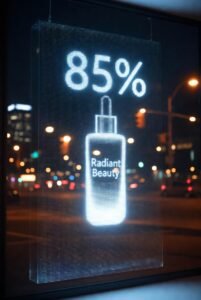
For decades, window advertising relied on posters, vinyl graphics, and backlit lightboxes. While these methods served their purpose, they inherently suffer from several critical limitations in today’s fast-paced, digital-first world:
- Lack of Dynamism: Static displays quickly become stale, failing to hold attention or convey time-sensitive information.
- Obscured Views: Opaque graphics block natural light from entering the premises and prevent customers from seeing inside, diminishing the appeal of the store interior.
- Limited Content Flexibility: Changing promotions requires physical labor, printing costs, and significant downtime.
- Environmental Impact: Frequent printing of large format graphics contributes to waste.
- Suboptimal Day/Night Performance: Static signs often lack sufficient brightness for daytime visibility or proper illumination for night-time impact.
Transparent LED Display Panels directly address these shortcomings, offering a sophisticated, future-proof alternative that revolutionizes the potential of storefront real estate.
Unlocking the Power: Benefits of Transparent LED for Window Advertising
Implementing a Transparent LED Screen for window advertising offers a myriad of advantages that transcend traditional methods, delivering significant ROI for businesses across various sectors:
1. Dynamic Content & Enhanced Engagement
The most immediate and compelling benefit is the ability to display captivating, animated content. Businesses can showcase high-definition videos, animated graphics, real-time promotions, social media feeds, and interactive elements. This dynamism grabs attention more effectively than any static sign, encouraging passersby to stop, watch, and engage with the brand message. The power to tell a story visually and instantly update promotions is invaluable in today’s competitive market.
2. Preserving Natural Light & Interior Visibility
Unlike traditional opaque signage, Transparent LED Display Panels maintain the open, airy feel of an interior space. They allow natural sunlight to flood the premises, enhancing the ambiance for customers and employees. Crucially, they also allow potential customers to see inside the store, showcasing merchandise, interior design, and the overall shopping experience, which can be a powerful draw.
3. Elevated Brand Image & Modernity
Adopting transparent LED technology immediately positions a brand as innovative, modern, and forward-thinking. It signals a commitment to cutting-edge solutions and a superior customer experience. The sleek, high-tech aesthetic of these displays significantly enhances a brand’s prestige and market perception.
4. Maximized Visibility Day and Night
Transparent LED Panels are engineered with high brightness levels (measured in Nits), ensuring content remains vibrant and legible even under direct sunlight. Furthermore, their illuminated nature makes them incredibly effective after dark, transforming an ordinary window into a glowing beacon that advertises 24/7, captivating audiences in diverse lighting conditions.
5. Flexible & Targeted Messaging
Content on a Transparent LED Screen can be updated instantly and remotely via a Content Management System (CMS). This flexibility allows businesses to tailor messages for specific times of day (e.g., morning specials, lunch menus), target different demographics, respond to current events, or even sync promotions with in-store activities. The ability to react in real-time to market changes is a significant competitive edge.
6. Aesthetic Integration & Architectural Harmony
These displays are designed to integrate seamlessly with glass facades, maintaining the architectural integrity of a building. Their lightweight and slim profiles mean they don’t detract from the building’s design. This elegance makes them suitable for high-end retail, corporate headquarters, automotive showrooms, and prestigious public spaces where aesthetics are paramount.
7. Energy Efficiency & Sustainability
While powerful, modern Transparent LED Display Panels are designed with energy efficiency in mind. Their ability to display dynamic content and be updated digitally reduces the need for printing physical materials, contributing to a more sustainable advertising strategy and lowering operational costs in the long run.
Key Technical Considerations for Selection & Implementation
Choosing the right Transparent LED Display Panel for your window advertising needs requires an understanding of several technical specifications. As experts in Transparent LED Screen solutions, we guide you through these critical factors:
a. Pixel Pitch (P-value)
Pixel pitch refers to the distance between the centers of two adjacent LED pixels, measured in millimeters (e.g., P3.9, P7.8). A smaller pixel pitch indicates higher pixel density and therefore higher resolution. For window advertising, where viewing distances can vary from very close to far away, selecting the appropriate pixel pitch is crucial. A smaller pitch is ideal for up-close viewing (e.g., within a few meters), while a larger pitch can be effective for longer viewing distances without needing excessive processing power.
b. Brightness (Nits)
Measured in Nits (candela per square meter), brightness is paramount for outdoor-facing window displays. To combat direct sunlight and glare, a transparent LED display should ideally offer brightness levels ranging from 3,000 to 6,000 Nits or even higher. This ensures content remains clear, vibrant, and visible even on the brightest days, preventing washout.
c. Transparency Rate
This percentage indicates how much light can pass through the display. Higher transparency rates (e.g., 70-90%) are preferred for storefronts where maintaining interior visibility and natural light is a priority. Balancing transparency with content visibility is key, as ultra-high transparency might sometimes dilute very fine graphic details. Our Transparent LED Screen range offers various transparency rates to suit specific needs.
d. Panel Size & Modularity
Transparent LED panels are typically modular, allowing for custom configurations to fit windows of almost any size and shape. Consider the dimensions of your window space and how multiple panels will seamlessly integrate to form a single, cohesive display. Modularity also facilitates easier installation and maintenance.
e. Durability & IP Rating
For external-facing installations, the display must withstand environmental factors. An appropriate Ingress Protection (IP) rating (e.g., IP65 for outdoor exposure) ensures resistance to dust and water. Considerations for temperature range and UV resistance are also important for longevity.
f. Content Management System (CMS)
A user-friendly and robust CMS is essential for efficient operation. It allows for easy scheduling, uploading, and managing of content remotely, often from a centralized platform. This ensures dynamic advertising campaigns can be executed effortlessly and updated in real-time.
Installation & Maintenance Insights
Installation of Transparent LED Display Panels is typically less intrusive than traditional outdoor LED billboards. Panels can be adhered directly to glass, suspended, or integrated into custom frameworks. Professional installation ensures optimal positioning for viewing angles and safety. Maintenance is generally straightforward, with individual LED modules often being hot-swappable, minimizing downtime and servicing costs.
Applications Across Diverse Industries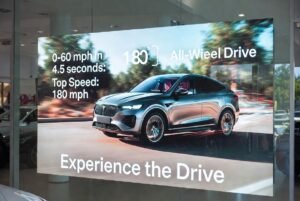
The versatility of Transparent LED Display Panels makes them ideal for a broad spectrum of industries:
- Retail & Fashion: Displaying product launches, seasonal collections, sale announcements, and captivating brand videos without obstructing store interiors.
- Automotive Showrooms: Showcasing vehicle features, financing options, and immersive brand experiences through large window displays.
- Real Estate Agencies: Featuring property listings with high-resolution images and videos, updated instantly.
- Hospitality (Hotels, Restaurants, Cafes): Advertising daily specials, events, unique offerings, and enhancing ambiance.
- Corporate Lobbies & Banks: Presenting corporate messages, financial data, and promotional content while maintaining an open, professional environment.
- Museums & Art Galleries: Providing interactive information, exhibition details, or artistic displays that blend with the architectural narrative.
- Entertainment Venues: Promoting upcoming shows, movie trailers, and ticket information.
Maximizing ROI: Content Strategy & Best Practices
The hardware is only as good as the content it displays. To truly maximize the return on investment from your Transparent LED Screen, consider these content strategies:
- High-Quality Visuals: Invest in professional photography and videography. Blurry or pixelated content undermines the premium nature of the display.
- Concise & Impactful Messaging: Get to the point quickly. Passersby have limited attention spans. Use clear fonts and strong calls to action.
- Optimize for Transparency: Design content with the transparency in mind. Utilize negative space and consider how the interior view complements or contrasts with the displayed graphics. Avoid overly dense text or visuals that might appear cluttered.
- Dynamic & Engaging Animations: Leverage the video capabilities. Subtle movements, transitions, and animated text can draw the eye more effectively than static images.
- Schedule & Personalize: Use your CMS to schedule content based on time of day, day of the week, or current events. For instance, display breakfast menus in the morning and dinner specials in the evening.
- Call to Action (CTA): Always include a clear CTA – “Visit Us Today,” “Scan for Discounts,” “Learn More Online.”
- A/B Test & Analyze: Experiment with different content types, messages, and schedules. Use available analytics (where applicable) to understand what resonates best with your audience.
Addressing Common Concerns
Initial Investment
While the initial outlay for Transparent LED Display Panels may be higher than traditional static signage, the long-term benefits in terms of dynamic advertising capability, reduced operational costs (no printing), increased brand engagement, and improved ROI far outweigh the upfront cost. They are an investment in future-proof marketing infrastructure.
Content Creation Complexity
Modern Content Management Systems (CMS) are incredibly user-friendly, often offering drag-and-drop interfaces and pre-designed templates. While professional content creation is recommended for optimal impact, managing the display doesn’t require specialized IT expertise.
Glare and Reflection
High-brightness panels with anti-glare coatings are designed to minimize reflections. Proper installation planning, considering the angle of direct sunlight, can further mitigate these issues, ensuring content remains visible.
The Future of Window Advertising is Transparent
As urban environments become increasingly digitized and competitive, the demand for sophisticated, integrated advertising solutions will only grow. Transparent LED Display Panels represent a pivotal shift in this evolution, offering an unparalleled blend of technology, aesthetics, and marketing power. They transform passive windows into active, dynamic communication channels that engage, inform, and inspire. For businesses looking to stand out, modernize their brand, and connect with customers in an impactful way, the adoption of transparent LED technology is not just an upgrade – it’s a strategic imperative.
“`