Unlocking Unprecedented Efficiency: The Energy Saving and Cooling Advantages of Transparent LED Screens
Unlocking Unprecedented Efficiency: The Energy Saving and Cooling Advantages of Transparent LED Screens
In an era defined by a dual imperative for technological advancement and environmental responsibility, the evolution of digital display solutions has reached a pivotal juncture. Businesses and architects alike are seeking innovations that not only captivate audiences but also align with stringent sustainability goals and optimize operational expenditures. Within this evolving landscape, Transparent LED Screens emerge as a transformative technology, offering not just stunning visual aesthetics but also profound, often underestimated, energy saving and cooling advantages.
At [Your Company Name], our commitment to pioneering sustainable LED solutions drives our product development. Our ‘Transparent LED Screen’ product line stands at the forefront of this revolution, meticulously engineered to deliver unparalleled visual experiences while significantly mitigating environmental impact and driving down long-term costs. This expert article delves into the intricate mechanisms and tangible benefits that position Transparent LED as the intelligent, eco-conscious choice for the future of digital display.
The Paradigm Shift: Understanding Transparent LED Technology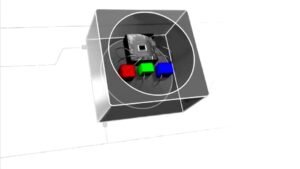
Before dissecting its efficiency benefits, it’s crucial to grasp the fundamental concept of Transparent LED. Unlike traditional opaque LED screens, which are solid panels obstructing natural light and views, Transparent LED utilizes a unique structural design. Individual LED diodes are mounted on a highly permeable, often grid-like or strip-based, transparent substrate. This ingenious construction allows light and air to pass through the screen, typically achieving transparency rates ranging from 60% to over 90%, depending on the pixel pitch and specific design.
This transparency is not merely an aesthetic marvel; it is the lynchpin of its superior energy performance and thermal management. By reimagining the very architecture of the LED display, Transparent LED screens inherently overcome many of the energy consumption and heat dissipation challenges inherent in conventional digital signage.
Unpacking the Energy Saving Advantages of Transparent LED Screens
The energy efficiency of Transparent LED displays is multifaceted, stemming from both their inherent design and their synergistic interaction with their operational environment. These advantages translate directly into substantial reductions in electricity consumption and operational costs.
1. Reduced Opaque Pixel Area and Direct Power Consumption
The most immediate and intuitive energy saving comes from the very nature of transparency. A significant portion of a Transparent LED screen is empty space, allowing light to pass through rather than requiring pixels to illuminate it. This means fewer actual LED diodes are present per square meter compared to a solid screen of equivalent resolution, especially with larger pixel pitches optimized for viewing from a distance. Fewer diodes directly equate to lower power draw at the source. The intelligent design ensures that only the necessary pixels are actively consuming power to create the desired visual effect, leading to a demonstrably lower overall wattage consumption.
2. Maximizing Natural Light and Minimizing Artificial Illumination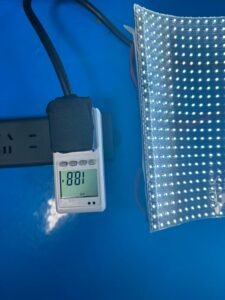
A profound, yet often overlooked, energy saving advantage stems from the screen’s ability to integrate seamlessly with its surroundings. When installed on building facades or storefront windows, Transparent LED screens do not block natural daylight from entering the interior spaces. This is a critical distinction from opaque displays. By allowing ample natural light, the need for supplementary artificial lighting within the building is significantly reduced or even eliminated during daylight hours. This symbiotic relationship not only enhances the well-being of occupants but also slashes electricity bills associated with interior lighting – a cost that can often rival or even exceed the display’s own power consumption.
3. Less Demand on HVAC Systems and Reduced Thermal Load
Heat generation is an unavoidable byproduct of electrical energy conversion in any electronic device, including LED screens. Traditional solid LED displays, especially large formats, emit considerable heat into their immediate environment. This added thermal load places increased strain on Heating, Ventilation, and Air Conditioning (HVAC) systems, particularly in enclosed spaces or during warmer climates. Transparent LED screens, by generating less heat (due to lower power consumption) and facilitating superior thermal dissipation, drastically reduce this additional burden on HVAC systems. The consequential decrease in energy required for cooling indoor environments represents a substantial and ongoing operational cost saving, making them a cornerstone of green building initiatives.
4. Efficient Power Management and Driver Technology
Beyond the structural advantages, modern Transparent LED screens incorporate advanced power management units and highly efficient LED drivers. These components are designed to optimize power delivery to each diode, minimize energy loss during conversion, and ensure stable, low-ripple current. Features like intelligent dimming, which adjusts brightness based on ambient light conditions, further contribute to energy conservation without compromising visual impact. This sophisticated backend technology works in concert with the physical design to ensure every watt is utilized as efficiently as possible.
5. Long-Term Operational Cost Reduction and ROI
The cumulative effect of these energy saving mechanisms is a significant reduction in operational expenditures over the lifespan of the display. While the initial investment in cutting-edge Transparent LED technology might be comparable to, or even slightly higher than, some traditional displays, the rapid return on investment (ROI) achieved through dramatically lower electricity bills and reduced HVAC costs makes it an economically superior choice in the long run. Businesses can expect to recoup their investment faster and enjoy sustained savings, contributing directly to their bottom line.
The Superior Cooling Benefits of Transparent LED Displays
Heat is the nemesis of electronic components, directly impacting their performance, reliability, and lifespan. Transparent LED technology addresses thermal management with an inherent advantage that few other display types can match.
1. Natural Convection and Airflow
The open-grid or strip-based design of Transparent LED screens allows for unrestricted airflow through the display. Unlike solid screens that act as thermal barriers and trap heat, Transparent LED facilitates natural convection. Warm air generated by the LEDs rises and dissipates freely into the environment, while cooler ambient air flows in to replace it. This continuous exchange of air is a highly effective passive cooling mechanism, dramatically reducing the internal temperature of the display modules.
2. Lower Heat Generation at the Source
As previously discussed, Transparent LED screens inherently consume less power due to their reduced opaque pixel area. Since heat is directly proportional to power consumption, less power consumed means less heat generated in the first place. This lower baseline heat production significantly simplifies the cooling challenge, making passive methods highly effective where active cooling (fans, heat sinks) might be critically necessary for opaque displays.
3. Absence of Sealed Enclosures and Complex Cooling Systems
Traditional outdoor LED displays often require robust, sealed enclosures to protect sensitive electronics from environmental elements like dust and moisture. While necessary for protection, these enclosures also trap heat, necessitating complex and often energy-intensive active cooling systems (e.g., fans, air conditioners, liquid cooling) to maintain optimal operating temperatures. Transparent LED screens, by virtue of their design, often do not require such fully sealed enclosures, especially when integrated into architectural glass. The inherent airflow reduces the reliance on, and energy consumption of, elaborate mechanical cooling systems, leading to further energy savings and reduced maintenance overhead.
4. Extended Lifespan and Reduced Maintenance
Operating electronic components at lower temperatures is paramount for their longevity and reliability. Excessive heat accelerates material degradation, compromises solder joints, and shortens the lifespan of LED diodes and integrated circuits. By maintaining significantly cooler operating temperatures through superior passive cooling, Transparent LED displays experience less thermal stress. This translates directly into an extended operational lifespan for the entire screen, reducing the frequency of repairs, replacements, and overall maintenance costs, thereby maximizing the return on your display investment.
5. Environmental Control and Thermal Management
For applications where screens are integrated into temperature-sensitive environments or adjacent to other electronics, the minimal heat output of Transparent LED is a distinct advantage. It helps maintain a more stable ambient temperature, preventing potential heat-related issues for surrounding equipment or discomfort for building occupants. This precise thermal management contributes to a more controlled and efficient overall operational environment.
Beyond Energy and Cooling: Holistic Advantages for Modern Applications
While energy saving and cooling are primary advantages, Transparent LED screens offer a suite of additional benefits that make them indispensable for contemporary commercial, retail, and architectural projects.
Aesthetic Integration and Architectural Harmony
Their ability to maintain natural views and light penetration means they integrate seamlessly with modern architecture, preserving the building’s aesthetic and spatial integrity. They transform glass facades into dynamic canvases without creating a solid barrier.
Lightweight Design and Simplified Installation
The open structure also results in a significantly lighter display compared to traditional screens of similar size. This reduces structural load on buildings, simplifies installation processes, lowers transportation costs, and potentially reduces the need for heavy-duty support structures.
Enhanced Brand Image and Sustainability Messaging
Adopting Transparent LED technology signals a commitment to innovation, sustainability, and forward-thinking design. For brands, this translates into an enhanced public image, resonating with environmentally conscious consumers and stakeholders who value eco-friendly practices.
Real-World Applications and Impact
The profound advantages of Transparent LED screens are evident across a multitude of applications:
- Retail and Commercial Spaces: Enhancing window displays without blocking merchandise views or natural light, attracting customers with dynamic content while saving on electricity and HVAC.
- Corporate Lobbies and Exhibition Centers: Creating impressive, immersive digital art or informational displays that maintain an open, airy feel within the space.
- Architectural Media Facades: Transforming entire building exteriors into dynamic, low-energy media canvases that allow occupants to still enjoy exterior views.
- Showrooms and Museums: Presenting engaging visual content without isolating displays or requiring heavy structural modifications.
Our Commitment to Sustainable LED Innovation: The [Your Company Name] Transparent LED Screen Line
At [Your Company Name], we are dedicated to pushing the boundaries of LED technology. Our ‘Transparent LED Screen’ product line embodies this commitment, offering state-of-the-art displays that fuse breathtaking visuals with unparalleled energy efficiency and intelligent thermal management. We understand that investing in digital display technology is a strategic decision, and our solutions are engineered to provide maximum impact with minimal ecological footprint and operational expenditure.
We leverage cutting-edge materials and precision manufacturing to ensure our screens not only meet but exceed industry standards for performance, reliability, and sustainability. By choosing [Your Company Name]’s Transparent LED Screens, you are not just acquiring a display; you are investing in a future-proof solution that delivers superior aesthetics, significant cost savings, and a tangible contribution to environmental stewardship.
Conclusion: A Brighter, Cooler, More Efficient Future
The era of energy-hungry, heat-generating digital displays is drawing to a close. Transparent LED technology represents a pivotal leap forward, offering a sophisticated blend of aesthetic elegance, profound energy savings, and superior passive cooling capabilities. For businesses and designers grappling with the challenges of sustainability, operational costs, and compelling visual communication, Transparent LED screens offer a compelling, holistic solution.
By embracing the inherent efficiencies of transparency, reduced thermal load, and synergistic integration with natural environments, Transparent LED screens are not merely displays; they are strategic assets that redefine the economics and environmental impact of large-format digital signage. Investing in this technology is a clear statement of commitment to innovation, responsible resource management, and a brighter, cooler, and more efficient future.
“`