Elevating the Fan Experience Safely: Advanced Structural and Rigging Design for Center-Hung LED Cube Screens
Elevating the Fan Experience Safely: Advanced Structural and Rigging Design for Center-Hung LED Cube Screens
Executive Summary: Maximizing ROI Through Engineering Excellence and Uncompromising Safety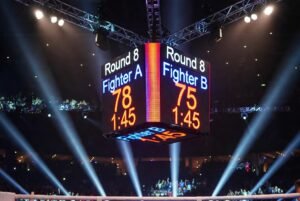
In the fiercely competitive landscape of professional sports and entertainment, the centerpiece LED display is no longer merely a scoreboard; it is a dynamic, immersive engagement platform. Center-hung LED cube screens, with their multi-faceted, 360-degree viewing capabilities, stand as the pinnacle of this evolution, transforming arena and stadium interiors into vibrant, information-rich spectacle zones. Beyond the dazzling visuals and fan excitement, these colossal installations represent a significant capital investment for venue owners and operators. The return on investment (ROI) from a center-hung cube screen is multifaceted, encompassing enhanced fan engagement, premium advertising opportunities, increased concession sales driven by longer dwell times, and the ability to host a broader range of high-profile events.
However, realizing this immense business value is inextricably linked to one paramount factor: structural safety and integrity. A center-hung cube screen, weighing tens of thousands of pounds and suspended high above an audience of thousands, demands world-class engineering in its design, fabrication, and installation. This deep dive B2B article will illuminate the critical structural safety considerations and advanced rigging design principles that underpin the successful deployment of these magnificent displays. Understanding these complexities is not just about compliance; it’s about safeguarding human lives, protecting your investment, preserving brand reputation, and ensuring uninterrupted operational excellence. By prioritizing rigorous engineering and advanced safety protocols, venues can unlock the full commercial potential of their center-hung LED assets, delivering unparalleled experiences while mitigating risks.
The Unrivaled Impact of Center-Hung Cube Screens
Center-hung LED cube screens redefine the spectator experience. Unlike traditional two-sided Jumbotrons or static billboards, these multi-faced displays offer dynamic content from every vantage point in an arena or stadium. They serve as central hubs for real-time scores, player statistics, instant replays, interactive fan prompts, and high-impact advertising, transforming passive viewing into an immersive, participatory event. This enhanced engagement directly translates to increased fan loyalty, greater sponsorship appeal, and ultimately, a more robust revenue stream for the venue. However, the very features that make them so captivating—their sheer size, multi-directional orientation, and elevated placement—also introduce unique and complex engineering challenges that demand the utmost attention to structural safety and rigging design.
Core Principles of Structural Safety for Overhead Displays
The engineering of a center-hung LED cube screen begins long before a single LED module is assembled. It starts with a comprehensive understanding of structural mechanics, material science, and the specific dynamics of a suspended, high-mass object. Key principles include:
- Comprehensive Load Analysis: Every component, from the LED modules themselves to the internal framework, cabling, and rigging hardware, contributes to the overall load. Engineers must meticulously calculate dead loads (the screen’s static weight), live loads (dynamic forces from maintenance personnel, potential sway, and even minor seismic events), and environmental loads (internal air currents, HVAC effects). The cumulative weight can easily exceed 50,000 to 100,000 pounds, requiring a detailed understanding of load distribution.
- Material Selection and Fatigue Resistance: High-strength, aerospace-grade aluminum alloys and robust structural steel are typically employed for the internal framework and primary support structures. These materials are selected not only for their strength-to-weight ratio but also for their fatigue resistance over decades of service. Connections and welds must be engineered to withstand repetitive stress and vibration.
- Redundancy in Design: For any overhead structure, redundancy is not merely a best practice; it is an absolute necessity. Critical load-bearing components, including hoist motors, suspension cables, and connection points, must incorporate redundant systems. This means that if one component or system fails, an independent, equally capable backup is immediately available to prevent catastrophic failure. This often involves secondary safety chains, dual-path rigging, and multiple independent connection points to the building’s primary structure.
- Integration with Venue Structure: A center-hung screen is only as strong as the building it hangs from. A thorough structural analysis of the existing arena or stadium roof infrastructure is paramount. This involves assessing the capacity of existing trusses, beams, and columns to safely support the immense, concentrated loads. Often, significant structural reinforcement of the venue itself is required, which necessitates close collaboration between the display manufacturer’s engineers and the venue’s structural engineering team.
Advanced Rigging Design and Precision Execution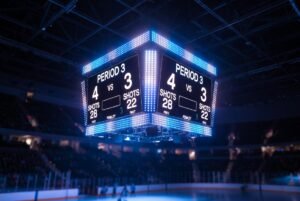
Rigging design for center-hung cube screens goes far beyond simple suspension. It is a highly specialized discipline demanding expertise in heavy lifting, load distribution, and precise alignment.
- Sophisticated Hoist Systems: Industrial-grade, motorized hoists or chain motors are fundamental. These systems must be rated for significantly higher capacities than the screen’s actual weight, incorporating substantial safety margins. Advanced control systems allow for synchronized lifting and lowering, ensuring the screen remains level during installation and maintenance, preventing uneven stress distribution. Emergency stop functions and overload protection are standard.
- Custom Spreader Bars and Bridles: To distribute the screen’s concentrated weight evenly across multiple points of the venue’s roof structure, custom-engineered spreader bars and multi-leg bridles are indispensable. These components prevent point loading, which could compromise the integrity of the building. The geometry of these rigging elements is precisely calculated to achieve optimal load sharing and stability.
- Certified Anchoring and Connection Hardware: Every shackle, clevis, turnbuckle, and wire rope clamp used must be certified for its intended load and application. Non-destructive testing (NDT) such as ultrasonic testing or magnetic particle inspection is often performed on critical welds and connection points to ensure their integrity. Custom fabrication for unique connection points may be necessary to interface seamlessly with the specific venue structure.
- Dynamic Load Management: Beyond static loads, the rigging system must account for dynamic forces. While indoor environments mitigate wind loads significantly, factors like vibration from crowd movement, sound systems, or even HVAC systems can introduce oscillatory forces. Rigging designs often incorporate vibration dampeners or stabilizers to mitigate these effects and prevent metal fatigue over time.
- Precision Installation Protocols: The installation of a center-hung cube screen is a meticulously planned and executed operation. It typically involves sequential assembly, often at ground level, followed by synchronized lifting. Each stage requires precise alignment checks, load monitoring, and strict adherence to safety protocols, including fall protection and exclusion zones. A detailed critical path analysis is developed to ensure every step is completed safely and efficiently.
Technical Comparison: Center-Hung Cube Screens vs. Standard LED Solutions
Understanding the unique structural and rigging demands of center-hung cube screens is best achieved by comparing them to more traditional LED display installations:
| Feature/Parameter | Center-Hung Cube Screen | Standard Perimeter/Ribbon LED Display | Standard Wall-Mounted Jumbotron |
|---|---|---|---|
| Typical Location | Center of arena/stadium ceiling, high above seating. | Along arena walls, fascia, or field perimeter. | Mounted on end walls of venue or exterior. |
| Viewing Angle | 360-degree, multi-directional (4-sided minimum, often 6 or 8). | Single-direction or limited angles. | Single-direction. |
| Structural Load Type | Concentrated, suspended, high-point load on roof structure. | Distributed, often shear and bending loads on walls/fascia. | Distributed, often high shear/bending loads on primary building structure. |
| Rigging Complexity | Extremely high: multi-point suspension, synchronized hoists, complex bridles, redundancy critical. Requires specialized structural engineering and rigging teams. | Low to Medium: direct mounting or simple bracketry. | Medium: heavy-duty structural steel frame, often lifted by crane into place, but directly supported by wall. |
| Redundancy Requirements | Mandatory at all critical suspension points and hoist systems. | Generally not applicable in the same way; focus on secure attachment points. | Focus on robust primary structural support. |
| Installation Challenges | Height access, precise leveling over large area, load balancing, long assembly times at height or ground. | Linear installation, often simpler access. | Heavy lifting, precise wall anchoring. |
| Maintenance Access | Requires full lowering of screen, or specialized access platforms. Complex. | Often via catwalks, lifts, or ground access. | Often via access platforms or lifts. |
| Engineering & Certification | Highest level: demanding structural, mechanical, electrical engineering; third-party validation, comprehensive safety certifications. | Standard structural engineering, product certifications. | Standard structural engineering, product certifications. |
Practical Implementation: Ensuring Long-Term Safety and Performance
For venue owners and operators, making an informed decision about a center-hung cube screen involves more than just evaluating pixel pitch and brightness. It requires a deep dive into the vendor’s engineering capabilities and a commitment to ongoing safety protocols.
- Due Diligence in Vendor Selection: Prioritize manufacturers and integrators with a proven track record in complex, large-scale suspended LED displays. Demand comprehensive engineering documentation, including detailed structural analysis reports, rigging plans, and safety certifications (e.g., CE, UL, TUV, OSHA compliance). Verify their in-house structural engineering teams or accredited third-party partners.
- Pre-Installation Site Assessment: Insist on a thorough, independent structural assessment of your venue by a licensed structural engineer. This assessment will determine the existing roof structure’s capacity and identify any necessary reinforcements or modifications required before installation.
- Rigorous Inspection and Maintenance Schedules: Develop and adhere to a strict preventative maintenance program. This should include:
- Annual Structural Inspections: Conducted by a certified structural engineer, focusing on all load-bearing components, welds, connection points, and the supporting venue structure.
- Quarterly Rigging Inspections: Detailed checks of all hoists, cables, bridles, shackles, and safety chains for wear, corrosion, deformation, or fatigue.
- Electrical System Checks: Ensuring power distribution, data cabling, and emergency shutdown systems are fully functional and secure.
- Load Monitoring Systems: Consider installing real-time load monitoring sensors at critical suspension points to provide continuous feedback on the screen’s weight distribution and stability.
- Staff Training and Emergency Protocols: All operational and maintenance personnel involved with the screen must receive comprehensive training on its operation, maintenance, and emergency procedures. This includes understanding the safe limits of the system, recognizing potential issues, and executing emergency lowering or shutdown protocols.
- Compliance with Codes and Standards: Ensure the entire installation complies with all local, national, and international building codes, electrical codes, and safety standards. This often includes specific regulations for overhead structures in public assembly areas.
FAQ Section: Deep Dive into Center-Hung Cube Screen Safety
Q1: What are the primary structural certifications and standards I should look for in a center-hung LED display manufacturer and installer?
A1: Beyond general product certifications like CE or UL for electrical components, the most critical aspects relate to structural integrity. Look for compliance with national building codes (e.g., IBC in the US), specific structural engineering standards (e.g., AISC for steel structures, Aluminum Association standards), and rigging safety guidelines (e.g., OSHA, ANSI, ESTA E1.6-1 for powered hoists). Crucially, the manufacturer should provide a comprehensive structural engineering report stamped by a licensed professional engineer (PE) for your specific jurisdiction, detailing load calculations, material specifications, and redundancy plans. Installers should demonstrate expertise and certification in rigging practices (e.g., ETCP certification for riggers).
Q2: How does redundancy specifically apply to the rigging design of a center-hung cube screen, and why is it so vital?
A2: Redundancy in rigging design means having multiple, independent systems or components capable of performing the same critical function, so that the failure of one does not lead to a system failure. For a center-hung screen, this is vital because of the immense weight and the catastrophic consequences of failure. It applies by using multiple hoist motors (often more than theoretically needed, with each capable of supporting the full load if others fail), independent primary and secondary suspension cables at each lift point, and redundant attachment points to the building structure. For instance, if a primary chain motor fails, an independent secondary safety chain or an alternative hoist system is immediately available to prevent the screen from falling. This ‘fail-safe’ approach is the cornerstone of overhead rigging safety.
Q3: What role does real-time load monitoring play in the long-term safety and maintenance of a center-hung LED screen?
A3: Real-time load monitoring is an advanced safety feature that provides continuous data on the weight being borne by each individual suspension point. Load cells are strategically integrated into the rigging system to measure tension. This data allows operators to immediately detect any anomalous load distribution, such as an overload on one hoist or an uneven weight shift, which could indicate a developing structural issue or a problem with the rigging system. It helps prevent overstressing components, guides preventative maintenance by identifying points of concern early, and provides critical data for diagnosing issues, thereby significantly enhancing long-term operational safety and extending the lifespan of the display and rigging infrastructure.
Conclusion: The Fusion of Vision and Engineering Excellence
Center-hung LED cube screens are undeniably the future of immersive fan experiences in sports 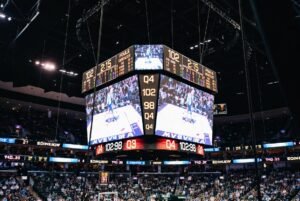 and entertainment venues. Their ability to deliver unparalleled visual impact and drive significant revenue makes them a compelling investment. However, their structural complexity and the inherent risks of overhead installations demand an unwavering commitment to engineering excellence and uncompromising safety standards. By partnering with industry leaders who demonstrate profound expertise in structural analysis, advanced rigging design, material science, and who adhere to the most stringent safety protocols, venue owners can confidently deploy these magnificent displays. Investing in robust structural safety and meticulously designed rigging is not an overhead cost; it is a foundational investment in the longevity of your asset, the safety of your patrons, and the enduring reputation of your venue. The true value of a spectacular center-hung cube screen is fully realized only when its dazzling performance is matched by its absolute, unassailable safety.