In the fiercely competitive realm of urban commerce and landmark branding, capturing public attention is a constant challenge.
Traditional advertising methods often fall short in an era where digital fatigue is prevalent. However, a revolutionary wave of future display technology is emerging, transforming static facades and public spaces into dynamic, interactive spectacles. This guide delves into the groundbreaking world of Holographic LED and Naked-Eye 3D screens, exploring how these futuristic LED displays are not just visual enhancements, but powerful traffic-drivers and brand differentiators for commercial landmarks globally. They offer unparalleled immersive experiences, pushing the boundaries of what’s possible in visual communication.
 The Paradigm Shift: From Solid Displays to See-Through Spectacles
For years, digital signage meant a solid screen, a black box that, while displaying content, simultaneously obscured what lay behind it. This was an acceptable trade-off for many, but a significant limitation for buildings with panoramic views, luxury retail stores, or any space where natural light and outward visibility are paramount. The pain point for architects, property developers, and high-end brands was clear: how to integrate digital dynamism into glass without compromise.
The Challenge of Preserving Transparency
The core challenge was to create a display that could show vibrant digital content while remaining largely invisible when off, or allowing light and views through when on. This required a fundamental reimagining of LED display structure and integration methods, leading to the development of transparent film technology that offers a true blend of digital and physical realities.
The Innovation of Transparent LED Film: Features and Functionality
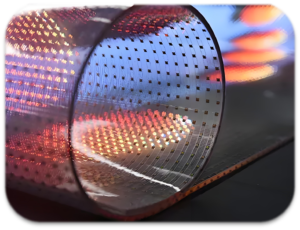
Transparent LED Film represents a pinnacle of display innovation, specifically engineered to marry digital functionality with architectural transparency. Unlike conventional LED screens, these film-like displays are incredibly thin, lightweight, and designed to adhere directly to glass surfaces.
How Transparent LED Film Works
The magic of Transparent LED Film lies in its unique construction. It consists of individually mounted or embedded LEDs on a highly transparent PCB (Printed Circuit Board) substrate. The spacing between these LEDs, combined with the clear substrate, allows for a significant portion of light to pass through the display. When the LEDs are off, the film is almost imperceptible, preserving the glass’s original function. When activated, the LEDs light up to display vibrant images, videos, and text, creating a “floating” effect.
Key Features of Transparent LED Film:
- High Transparency Rate
The hallmark of this technology is its high transparency rate, typically ranging from 70% to 95%. This allows natural light to flood interior spaces and maintains clear views of the outside world, making it ideal for glass facades and windows. The higher the transparency, the more integrated the display appears with the architecture, and the less intrusive it feels.
- Ultra-Thin and Lightweig
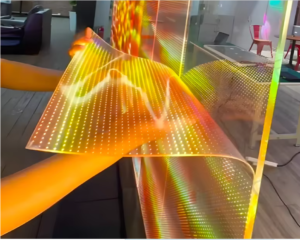 Transparent LED Film is exceptionally thin, often less than 3mm in depth, and incredibly lightweight. This eliminates the need for bulky support structures, making invisible LED installation on existing glass facades simple and without adding significant load or altering architectural aesthetics.
- Flexible and Customizable
Many transparent LED films are flexible, allowing them to conform to curved glass surfaces or be cut into custom shapes to match specific design requirements. This offers unprecedented creative freedom for architects and designers.
- High Brightness for Outdoor Visibility
Despite their transparency, these films are engineered for high brightness, often reaching 4,000 to 6,000+ nits for outdoor-facing applications. This ensures content remains clear and impactful even under direct sunlight, making them effective glass curtain wall displays for urban environments.
Transforming Urban Landscapes: Applications of Transparent LED Film
The unique attributes of Transparent LED Film open a vast array of high-value B2B applications, particularly in commercial real estate and retail.
- Iconic Glass Curtain Wall Displays
High-rise buildings with expansive glass curtain wall displays are prime candidates. Instead of being visually passive, these facades can transform into dynamic, large-scale media canvases.
- Architectural Art Display: The building itself becomes a living, breathing digital artwork, showcasing abstract visuals, brand animations, or artistic content that engages the entire cityscape. This turns a building into an architectural media facade.
- Branding and Advertising: Corporations can display high-impact branding or commercial advertisements that are visible from afar, turning their building into a prominent marketing asset without blocking internal views.
- Retail Storefronts and Showrooms
For luxury retail stores, automotive showrooms, and fashion boutiques, Transparent LED Film is a game-changer.
- Dynamic Window Advertising: Store windows can display captivating product videos and promotions that attract passersby, while still allowing customers to see inside the store and view physical merchandise.
- Interactive Showcases: In showrooms, the film can overlay digital information (e.g., car specifications, pricing) directly onto physical products, creating an augmented reality-like experience.
- Preserving Interior Design: Unlike traditional screens, the transparent film doesn’t disrupt carefully curated interior aesthetics, preserving natural light and open sightlines.
- Shopping Malls and Atriums
Large indoor spaces with glass ceilings or partitions can utilize Transparent LED Film for:
- Informative Digital Signage: Displaying directories, event schedules, or brand promotions in an elegant, non-intrusive manner.
- Ambient Advertising: Creating atmospheric visual effects or artistic installations that enhance the visitor experience within the mall.
- Museums and Exhibition Spaces
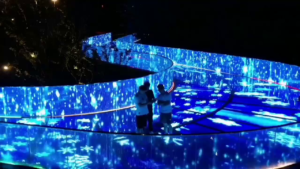 Transparent LED film offers innovative ways to present information and create immersive exhibits:
- Augmented Reality Exhibits: Overlaying digital data onto historical artifacts or scientific models.
- Interactive Information Panels: Providing dynamic context to displays without obscuring the exhibits themselves.
Technical Parameters Driving Performance and Integration
Beyond the visible benefits, the underlying technical specifications ensure the reliability and effectiveness of Transparent LED Film solutions.
- High Transparency Rate (70-95%)
This key metric directly indicates how much light passes through the screen. A higher percentage (e.g., 90%) means better light transmission and less visual obstruction, crucial for maintaining the original function of glass in architecture.
- Pixel Pitch vs. Viewing Distance
While fine pixel pitch is desirable for clarity, transparent LED films balance this with transparency. For indoor applications on retail glass, pitches from P2.9 to P5 are common. For outdoor glass curtain wall displays viewed from a distance, P5 to P10 or even larger pitches might be used to maintain transparency and reduce cost, as individual pixels become less noticeable from afar.
- Brightness (Nits)
For outdoor-facing applications or brightly lit indoor environments, a brightness of 4,000 to 6,000+ nits is essential to ensure content remains vibrant and visible against ambient light. Indoor transparent films may require lower brightness, typically 800-2,000 nits.
- High Refresh Rate (≥3840 Hz) and Gray Scale
A high refresh rate ensures smooth, flicker-free video content, critical for dynamic advertising. High gray scale (16-bit or greater) guarantees rich, accurate color reproduction, making content visually compelling even with the transparent background.
- Invisible LED Installation: Aesthetics and Simplicity
The installation method is crucial for maintaining the seamless aesthetic. Invisible LED Installation typically involves:
- Adhesive Mounting: The film adheres directly to the glass surface, often with a UV-cured adhesive, making it appear as if the LEDs are directly integrated into the glass.
- Frameless Design: The absence of bulky frames or visible support structures further enhances the illusion of floating content and architectural integration.
- Minimalist Cable Management: Power and data cables are often designed to be thin and discreetly routed, ensuring a clean finish.
- Energy Efficiency
Despite their brightness, modern Transparent LED Film displays are designed to be energy-efficient, minimizing operational costs and supporting green building initiatives. Their low heat generation also reduces the load on building cooling systems.
Conclusion: The Future is Transparent, Dynamic, and Immersive
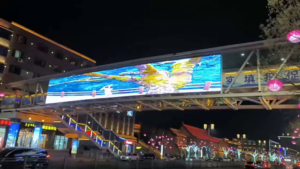 Transparent LED Film technology is no longer a futuristic concept; it is a tangible, transformative solution for architects, property owners, and brands seeking to redefine visual communication. By offering a high transparency rate, facilitating invisible LED installation, and turning glass into a dynamic glass curtain wall display or an captivating architectural media facade, these displays empower brands to achieve stunning advertising without sacrificing natural light or obstructing views. They are a cornerstone of future display technology, driving engagement, enhancing brand image, and creating unforgettable immersive experiences in the new retail and urban landscape. Investing in this cutting-edge technology is investing in a future where buildings communicate, and glass comes alive.
Frequently Asked Questions (FAQ)
Q1: What is a “Transparent LED Film” and how does it differ from a regular LED display?
A1: A Transparent LED Film is an ultra-thin, lightweight, and flexible LED display designed to adhere directly to glass surfaces. Unlike regular LED displays, it features a high transparency rate (70-95%), allowing light and views to pass through, effectively turning glass into a dynamic digital screen without blocking visibility.
Q2: What are the key benefits of using a Transparent LED Film for a glass curtain wall display?
A2: For a glass curtain wall display, the primary benefits include dynamic advertising and branding without sacrificing natural light or views, seamless architectural integration, high visual impact for urban landscapes, and the ability to transform a building into a striking architectural media facade. It offers a unique blend of digital and physical aesthetics.
Q3: What does “High Transparency Rate” mean for these displays?
A3: High Transparency Rate (e.g., 70-95%) indicates the percentage of light that can pass through the display. A higher rate means the film is less visible when not displaying content and allows more natural light into the building, maintaining the open feel of glass architecture.
Q4: How is “Invisible LED Installation” achieved with Transparent LED Film?
A4: Invisible LED Installation is achieved through the film’s ultra-thin, lightweight, and often adhesive-backed design, which allows it to be directly applied to glass surfaces without bulky frames or visible support structures. Discreet cabling further enhances the seamless, integrated appearance.
Q5: Can Transparent LED Film be used for outdoor applications?
A5: Yes, Transparent LED Film can be designed for outdoor-facing applications. Such displays require high brightness (e.g., 4,000-6,000+ nits) to be visible under sunlight and often have a suitable IP rating for weather resistance. They are ideal for transforming building facades into dynamic architectural media facades in urban environments.