Introduction: The New Frontier of Urban Visual EngagementIn the fiercely competitive realm of urban commerce and landmark branding, capturing public attention is a constant challenge.
Traditional advertising methods often fall short in an era where digital fatigue is prevalent. However, a revolutionary wave of future display technology is emerging, transforming static facades and public spaces into dynamic, interactive spectacles. This guide delves into the groundbreaking world of Holographic LED and Naked-Eye 3D screens, exploring how these futuristic LED displays are not just visual enhancements, but powerful traffic-drivers and brand differentiators for commercial landmarks globally. They offer unparalleled immersive experiences, pushing the boundaries of what’s possible in visual communication.
The Dawn of Immersive Visuals: Beyond Flat Screens
For decades, digital screens, while versatile, have largely remained confined to two-dimensional planes. This conventionality, despite high resolution, can lead to content blending into the urban background, failing to create a truly memorable impact. The pain point for brands and urban developers is clear: how to create signage that stops passersby, generates buzz, and transforms a location into a must-see destination. The answer lies in displays that can transcend flat imagery, offering depth, interaction, and a sense of magical realism.
The Need for Disruption in Visual Advertising
As consumers become desensitized to conventional screens, the demand for truly disruptive visual advertising has grown exponentially. Brands are seeking solutions that not only convey information but also create an emotional connection and a sense of wonder. Holographic LED and Naked-Eye 3D screens provide precisely this, delivering content that literally leaps out or blends seamlessly with the environment.
Naked-Eye 3D Screens: Bringing Content to Life Without Glasses
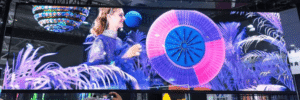
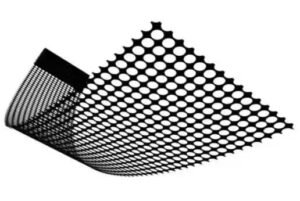 The most striking innovation in recent years is the widespread adoption of Naked-Eye 3D screens. These displays offer breathtaking three-dimensional visuals that appear to float in mid-air or extend far beyond the screen’s surface, all without the need for specialized glasses. This technology leverages advanced optical principles, typically involving lenticular lenses or intricate pixel arrangements, to deliver different images to each eye, thereby creating the illusion of depth.
How Naked-Eye 3D Technology Works
Naked-Eye 3D screens employ sophisticated optical layers or sub-pixel rendering techniques that precisely control the direction of light emitted from the LEDs. This creates multiple viewing zones, allowing each of a viewer’s eyes to see a slightly different perspective of the image. When processed correctly, the brain interprets these disparate views as a single, three-dimensional scene.
- Pixel Pitch: While conventional LED displays prioritize uniform pixel pitch, Naked-Eye 3D displays often have specific pixel arrangements or larger effective pixel pitches in certain directions to enhance the 3D effect. Fine pixel pitches (e.g., P3.9 to P8 for large outdoor installations) are crucial for rendering detailed 3D content clearly from optimal viewing distances.
- Optimal Viewing Angles (Sweet Spot): Unlike 2D displays, Naked-Eye 3D screens often have a “sweet spot” or optimal viewing angle from which the 3D effec
most pronounced. Advanced designs are expanding these viewing angles to accommodate wider audiences.
- Brightness and Contrast: High brightness (e.g., 6,000-10,000 nits for outdoor) and excellent contrast ratios are essential to ensure the 3D content remains vivid and impactful, especially in bright commercial districts.
- High Refresh Rate: A high refresh rate (typically ≥3840 Hz) is critical for smooth motion within the 3D content, preventing any visual judder or artifacting that could disrupt the immersive experience.
 Applications of Naked-Eye 3D Screens
These displays are revolutionizing:
- Retail Storefronts: Creating dynamic virtual product showcases that attract customers from blocks away.
- Urban Plazas: Serving as iconic digital sculptures that become tourist attractions.
- Landmark Buildings: Transforming building facades into living, breathing pieces of art that capture global attention.
- Theme Parks and Entertainment Venues: Delivering unparalleled immersive experiences for visitors.
Holographic LED and Transparent Displays: Blending Digital with Reality
The term “Holographic LED” is often used broadly in the industry. While true volumetric holography is still a developing technology, in the context of LED displays, it typically refers to transparent LED displays that create a holographic-like illusion, allowing viewers to see through the screen while dynamic content appears to float in the air. These displays achieve a high degree of transparency, blending digital content seamlessly with the physical environment.
The Magic of 70-90% Transparent LED Displays
These innovative displays boast a 70-90% transparent rate, meaning they allow light to pass through them, preserving views and natural light. This is achieved through unique module designs with minimal LED strips and high light transmittance.
- Transparency Rate: A 70-90% transparent rate allows for clear views through the screen, making it ideal for glass facades.
- Pixel Pitch (for Transparency): The pixel pitch for transparent displays tends to be larger (e.g., P3.9 to P10 or larger for outdoor window applications) due to the spacing required for transparency. However, ongoing innovation is leading to finer pitches while maintaining high transparency.
- Brightness: High brightness (e.g., 5,000-8,000 nits for outdoor facing applications) is crucial to ensure the content is visible against bright backgrounds, such as daylight.
- Lightweight Design: These displays are often lightweight, simplifying installation on glass structures without excessive load.
Applications of Transparent LED and Holographic Effects
- Glass Facades: Turning building windows into giant, dynamic advertising spaces without obstructing indoor views or natural light. This is a true architectural art display.
- Showrooms and Retail Environments: Displaying product information or engaging visuals directly on glass partitions, creating an ethereal, futuristic feel.
- Stage Design: Creating layered visual effects where performers can be seen through dynamic digital backdrops.
- Exhibition Booths: Offering innovative ways to present products and information without blocking visibility.
Optimizing for Performance, Versatility, and Sustainability
Beyond raw visual spectacle, the practical implementation of these futuristic displays also focuses on efficiency and versatility.
Energy Efficient Designs: Powering the Future Responsibly
Large-scale digital installations, particularly in commercial areas, demand significant power. The integration of energy-efficient technologies is no longer just a bonus but a necessity. Modern LED displays incorporate advanced power supply units, intelligent dimming capabilities, and highly efficient LED chips to minimize energy consumption. This translates to substantial long-term operational cost savings and a reduced carbon footprint, aligning with global sustainability goals. An Energy Efficient d
play contributes positively to a brand’s image and financial bottom line.
Dual-Sided Independent Display Creative Visual Technology: Maximizing Exposure
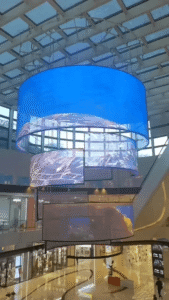 Imagine a display that can show two entirely different pieces of content on its front and back sides, simultaneously. Dual-Sided Independent Display Creative Visual Technology achieves precisely this. This innovation maximizes advertising potential in high-traffic areas, offering double the messaging impact from a single installation.
- Applications: Ideal for columns in shopping malls, street-facing pylons, or central structures in plazas where audiences approach from multiple directions. Each side can be tailored to different demographics, messages, or times of day.
- Creative Freedom: Offers unprecedented creative possibilities for advertisers and designers to craft complex, multi-faceted visual narratives.
The Future Display Technology: Driving Engagement and ROI
These advanced LED technologies are not just about aesthetics; they are strategic investments that deliver tangible business benefits.
Leading Commercial Landmark Traffic
Naked-Eye 3D screens and Holographic LED installations naturally become local landmarks themselves. People seek them out, photograph them, and share them on social media. This organic virality drives immense footfall to commercial districts, increasing visibility for the surrounding businesses. The displays become destinations, not just advertising platforms.
Enhanced Brand Recognition and Premium Advertising Revenue
Brands utilizing these future display technology solutions are perceived as innovative and forward-thinking. This elevates brand recognition and allows for premium advertising rates for third-party content. The immersive nature of the visuals ensures higher ad recall and conversion potential.
Engaging Experiential Marketing
These displays transform passive viewing into an active experience. Whether it’s a virtual product appearing to float in a window or a 3D animation that surprises passersby, the experiential aspect deepens customer engagement and creates lasting memories.
Key Considerations for Implementing Futuristic LED Displays
 Deploying such cutting-edge displays requires careful planning and collaboration.
- Specialized Content Development
Creating compelling Naked-Eye 3D content requires specialized 3D animation and rendering expertise. For Holographic LED (transparent) displays, content must be designed to leverage the transparency, ensuring key messages aren’t lost in the background.
- Seamless Integration and Structural Considerations
Integrating these unique displays into existing or new architectural designs demands precise planning. This includes ensuring structural integrity for weight distribution, seamless cabling, and environmental protection (especially for outdoor installations).
- Advanced Control and Management Systems
Sophisticated control systems are necessary to manage complex content, ensure precise synchronization across multiple panels (especially for multi-sided or large-scale 3D displays), and allow for dynamic content scheduling.
- Professional Installation and Maintenance
Given the complexity and scale, professional installation teams experienced with these advanced technologies are critical. Ongoing maintenance, facilitated by front-service designs and modular components, ensures longevity and consistent performance.
Conclusion: The Gateway to Tomorrow’s Commercial Landmarks
The advent of Naked-Eye 3D screens and Holographic LED displays, coupled with features like 70-90% Transparent capability, Energy Efficient design, and Dual-Sided Independent Display Creative Visual Technology, represents a paradigm shift in visual communication. These future display technology innovations are breaking conventional boundaries, allowing architects, brands, and urban developers to create spaces that are not just seen, but experienced. By transforming commercial landmarks into dynamic, immersive visual spectacles, these displays are actively leading traffic, boosting engagement, and setting new benchmarks for brand presence in the global marketplace. Investing in these pioneering technologies is investing in the future of captivating urban environments.
Frequently Asked Questions (FAQ)
Q1: What is a “Naked-Eye 3D Screen” and how does it work?
A1: A Naked-Eye 3D Screen is an LED display that creates a three-dimensional visual effect without requiring special glasses. It works by precisely directing different images to each of the viewer’s eyes, simulating depth. This is typically achieved through optical components like lenticular lenses or specialized pixel arrangements.
Q2: What does “Holographic LED” refer to in the context of commercial displays?
A2: In commercial LED displays, “Holographic LED” often refers to transparent LED displays that create a holographic-like illusion. These displays, which can be 70-90% transparent, allow light to pass through while simultaneously displaying dynamic digital content, making images appear to float in the air. True volumetric holography is a distinct, more nascent technology.
Q3: Why is a 70-90% transparent rate important for transparent LED displays?
A3: A 70-90% transparent rate is crucial because it allows these displays to be installed on glass facades or in showrooms without blocking natural light or obscuring the view of products or interiors. This seamless integration blends the digital content with the physical environment, creating unique visual effects.
Q4: How does Dual-Sided Independent Display Creative Visual Technology benefit commercial landmarks?
A4: Dual-Sided Independent Display Creative Visual Technology allows a single display structure (like a column or pylon) to show two entirely different, independently managed pieces of content on its front and back sides. This maximizes visual impact and advertising potential from multiple viewing angles, effectively doubling the messaging reach in high-traffic commercial landmark areas.
Q5: What are the main advantages of investing in these future display technology solutions?
A5: Investing in future display technology like Naked-Eye 3D screens and Holographic LED offers significant advantages, including dramatically increased public engagement, enhanced brand recognition as an innovator, boosted footfall to commercial landmarks, and the ability to command premium advertising revenue for truly immersive and unique visual experiences.