
1920Hz vs 3840Hz: Why LED Screen Refresh Rate Matters | LSON
Meta Description: Stop camera flickering at your events! Learn why a 3840Hz high refresh rate is crucial for indoor rental LED displays and live broadcasting. Talk to our experts today!
1920Hz vs. 3840Hz: Unveiling the High Refresh Rate Secrets of Indoor Rental LED Displays
Introduction: The Invisible Imperfection – Why Your Event LED Might Be Failing on Camera
In the demanding world of live events, conferences, and studio broadcasts, indoor rental LED displays are the canvas upon which captivating visual stories are told. Event organizers, advertising agencies, and stage rental professionals rely on these screens to deliver pristine, dynamic content that engages audiences both in person and through the lens of a camera. However, a crucial technical parameter, often overlooked until it’s too late, can drastically compromise the visual integrity of your production: the LED screen refresh rate. While the human eye might perceive a smooth image, cameras often reveal a disturbing flicker or scan lines, rendering professional footage unusable. This guide will meticulously dissect the critical difference between 1920Hz and 3840Hz refresh rates, elucidating why a higher LED screen refresh rate is not just a premium feature but an absolute necessity for flawless indoor rental applications and broadcast-quality output.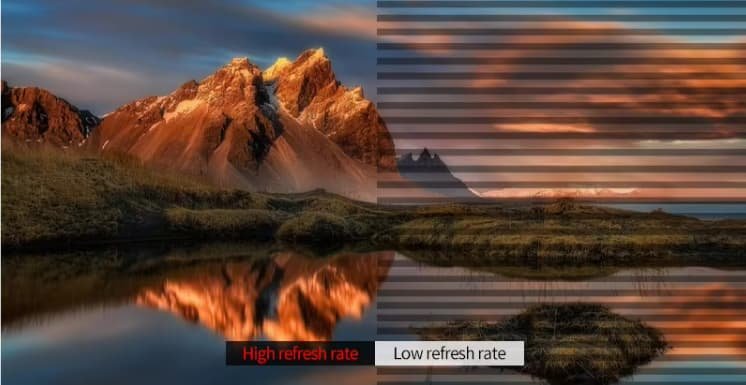
The Science of Smooth: Understanding LED Screen Refresh Rate
At its core, the LED screen refresh rate (measured in Hertz, Hz) refers to how many times per second the image on the LED display is updated. It’s a measure of the display’s ability to redraw the image quickly. A higher refresh rate means the screen updates more frequently, leading to a smoother visual experience.
How Refresh Rate Affects Perception (Human Eye vs. Camera)
Human Eye Perception
For the human eye, refresh rates above 60-75Hz generally appear smooth, as our visual system integrates frames quickly. Displays with 1920Hz refresh rates typically look perfectly smooth to a live audience.
Camera Perception (The Critical Difference)
The challenge arises with high-speed cameras used in live broadcasting, streaming, and professional videography. Digital cameras capture images at a specific frame rate (e.g., 24fps, 30fps, 60fps). If the LED screen’s refresh rate is not synchronized with or sufficiently higher than the camera’s shutter speed, the camera can capture the display in mid-refresh cycle. This results in:
- Flicker: Rapid on-off cycling of individual LEDs, perceived as a visible strobe effect.
- Scan Lines/Moiré Patterns: Horizontal or vertical bands across the screen, indicative of incomplete refreshes.
- Color Shift: Inconsistent color representation due to partial pixel illumination.
These artifacts are catastrophic for broadcast quality, making the distinction between different refresh rates immensely significant for indoor rental LED displays.
1920Hz vs. 3840Hz: The Benchmark for Broadcast-Ready Displays
While 1920Hz refresh rate has been a long-standing standard for many commercial LED displays, the demands of modern broadcasting have pushed the industry towards higher benchmarks. The 3840Hz refresh rate has emerged as the new gold standard for indoor rental LED screens that require truly flicker-free camera performance.
1920Hz Refresh Rate: Good for Live Audience, Risky for Cameras
- Advantages:
• Sufficient for the human eye to perceive smooth motion.
• More cost-effective for general display applications where camera capture is not a primary concern. - Limitations:
• Often susceptible to flicker and scan lines when filmed by professional cameras, especially with higher shutter speeds or slower frame rates.
• Not considered broadcast-safe for demanding live productions.
3840Hz Refresh Rate: The Professional Broadcast Standard
Advantages: - Virtually eliminates flicker and scan lines on all professional cameras, even at high frame rates and varying shutter speeds. This ensures pristine, broadcast-quality visuals.
• Provides exceptionally smooth motion for all types of content, enhancing visual fluidity.
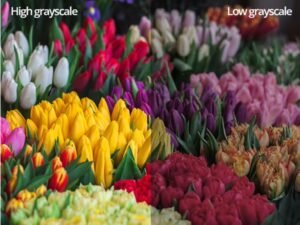
• Increases the effective grayscale and contrast ratio, leading to richer, more accurate colors and deeper blacks, critical for discerning audiences.
• Offers greater flexibility for camera operators, who can adjust shutter speeds and apertures without worrying about display artifacts. - Technical Enablers: Achieving 3840Hz (or higher) typically involves advanced LED driver ICs (Integrated Circuits) that can process and refresh data at much faster rates. These high-performance driver ICs are a key differentiator in premium indoor rental LED solutions.
 Why High Refresh Rate is Crucial for Indoor Rental LED Displays
The choice of LED screen refresh rate directly impacts the success and perceived professionalism of indoor rental events.
- Flawless Live Broadcasting and Streaming
For concerts, corporate presentations, award ceremonies, and church services that are live-streamed or broadcast, a 3840Hz refresh rate is non-negotiable. It ensures that the millions of viewers watching remotely experience the same pristine, flicker-free visuals as the live audience, upholding the event’s professional integrity. - Superior Videography and Content Capture
Event videographers and production teams rely on the LED screen to be a perfect backdrop. With a 3840Hz display, they can capture stunning footage of the screen content without worrying about technical imperfections, making post-production smoother and final output higher quality. - Enhanced Visual Comfort for Extended Viewing
Even for live audiences, a higher refresh rate contributes to visual comfort, especially during long presentations or events. The increased smoothness reduces eye strain and provides a more engaging, natural viewing experience. - Future-Proofing Your Rental Inventory
As camera technology advances and the demand for high-quality content continues to grow, investing in indoor rental LED displays with a 3840Hz LED screen refresh rate future-proofs your inventory. It ensures your equipment remains competitive and desirable for high-profile events for years to come.
Beyond Refresh Rate: Other Critical Parameters for Indoor Rental Screens
While LED screen refresh rate is paramount, other technical specifications also contribute to a superior indoor rental LED display. - Pixel Pitch for Optimal Viewing Distance
- P1.9 – P3.9 mm: Most common for indoor rental, offering a balance between resolution and cost. Allows for clear viewing from typical event distances (e.g., 2 to 10 meters).
- P1.2 – P1.5 mm (Ultra-fine): For very close viewing, high-end corporate events, or virtual production studios where exceptional detail is required.
- High Gray Scale and Color Uniformity
- 16-bit to 18-bit Gray Scale: Ensures rich, accurate color reproduction and smooth gradients, crucial for displaying branded content, intricate graphics, and natural skin tones.
- Advanced Calibration: Pixel-level brightness and color calibration guarantees seamless visual uniformity across all panels.
- High Contrast Ratio
A superior contrast ratio (e.g., 5000:1 or higher) delivers vibrant images with deep blacks and bright whites, enhancing visual depth and impact, especially in environments with variable lighting. - Robust and Lightweight Cabinet Design (Die-Cast Aluminum)
- Die-Cast Aluminum: Offers an excellent strength-to-weight ratio, making panels durable yet light enough for rapid installation and frequent transportation. This is vital for the rental market.
- Quick Lock Mechanisms: Enables fast and precise assembly/disassembly, significantly reducing setup and teardown times (as discussed in Series 2).
- Silent Operation (Fanless Design)
For quiet environments like conferences, theaters, or studios, fanless rental LED cabinets are preferred. They ensure that the display operates silently, without distracting background noise, enhancing the overall audience experience.
The Cost-Benefit Analysis: Investing in 3840Hz
While displays with a 3840Hz LED screen refresh rate may carry a higher initial investment compared to their 1920Hz counterparts, the long-term benefits and ROI are substantial, particularly for rental companies.
- Premium Event Readiness: Positions your rental inventory for higher-tier, broadcast-quality events, commanding better rental fees.
- Reduced Rework/Reshoots: Eliminates costly and time-consuming reworks in post-production due to flicker, saving operational expenses.
- Enhanced Reputation: Consistently delivering flawless visuals builds a strong reputation, attracting more high-value clients.
- Client Satisfaction: Ensures clients’ content looks professional and impactful, both live and in recorded media.
For any professional in the live event or broadcast industry, the investment in a 3840Hz refresh rate is not an extravagance; it is a strategic imperative for quality, efficiency, and market competitiveness.
Conclusion: Securing Flawless Visuals for Every Event
- Client Satisfaction: Ensures clients’ content looks professional and impactful, both live and in recorded media.
 The secret to exceptional indoor rental LED display performance, especially when viewed through a camera, lies firmly in its LED screen refresh rate. The distinction between 1920Hz and 3840Hz is profound, directly impacting the quality of live broadcasts, captured footage, and overall audience experience. For engineering contractors, advertising media specialists, and stage rental companies, prioritizing displays with a 3840Hz high refresh rate is a non-negotiable step towards achieving seamless, flicker-free visuals that elevate every production. Beyond refresh rate, consider robust, lightweight designs, fine pixel pitches, and advanced color processing to truly master the art of dynamic visual communication in the indoor rental arena.
Frequently Asked Questions (FAQ)
Q1: What is LED screen refresh rate and why is it important for indoor rental displays?
A1: LED screen refresh rate measures how many times per second the display updates its image. For indoor rental displays, it’s crucial because a high refresh rate (e.g., 3840Hz) ensures smooth, flicker-free video content, especially when captured by professional cameras for live broadcasting or recording, preventing distracting visual artifacts.
Q2: What is the key difference between 1920Hz and 3840Hz refresh rates for cameras?
A2: While 1920Hz might appear smooth to the human eye, professional cameras can often detect the refresh cycles, leading to visible flickering or scan lines in footage. A 3840Hz refresh rate is significantly higher, virtually eliminating these issues for all professional cameras, making it the standard for broadcast-quality indoor rental LED displays.
Q3: How does a higher refresh rate contribute to the success of live broadcasting?
A3: A higher LED screen refresh rate (like 3840Hz) is vital for live broadcasting as it guarantees smooth, flicker-free visuals on camera. This ensures that the televised or streamed content is pristine, professional, and free from visual distractions, enhancing the overall production value and audience experience.
Q4: Besides refresh rate, what other technical parameters are critical for indoor rental LED displays?
A4: Other critical parameters include:
- Fine Pixel Pitch: (e.g., P1.9-P3.9mm) for close viewing clarity.
- High Gray Scale: (16-bit or 18-bit) for rich, accurate color.
- High Contrast Ratio: For vibrant image depth.
- Lightweight, Durable Cabinets: (e.g., die-cast aluminum) with quick lock designs for rapid setup/teardown.
- Silent Operation: (fanless) for sensitive environments.
Q5: Is the higher cost of a 3840Hz LED display justifiable for rental companies?
A5: Yes, the higher cost of a 3840Hz LED screen refresh rate display is justifiable for rental companies. It positions their inventory for premium broadcast-quality events, reduces potential costly rework due to camera flicker, enhances their reputation for delivering flawless visuals, and ultimately leads to greater client satisfaction and market competitiveness.