
Front vs Rear Service: Outdoor LED Display Maintenance Guide
Meta Description: Save installation space and labor costs! Compare front-service and rear-service outdoor LED displays to find the best maintenance solution for your project. Get a free quote!
Front vs. Rear Service: The D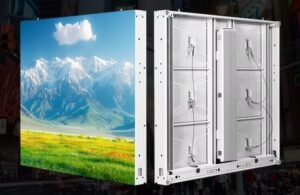 efinitive Guide to Outdoor LED Display Maintenance
Introduction: The Criticality of Strategic Outdoor LED Display Maintenance
Outdoor LED displays represent a significant capital investment, serving as powerful communication tools in urban centers, commercial plazas, and transportation hubs globally. Their unparalleled visual impact drives advertising revenue, informs the public, and enhances brand visibility. However, to ensure these dynamic installations deliver sustained performance and optimal return on investment (ROI), strategic outdoor LED display maintenance is not merely a logistical consideration—it is an absolute operational imperative. The choice between front-service and rear-service maintenance strategies profoundly impacts installation flexibility, long-term operational costs, and the efficiency of issue resolution. This authoritative guide will rigorously compare these two primary methodologies, equipping engineering contractors, advertising media specialists, and property owners with the insights needed to select the most advantageous outdoor LED display maintenance solution for their specific project requirements.
The Unforgiving Environment: Why Maintenance is Paramount
Outdoor LED displays operate in some of the most challenging environments imaginable. They are subjected to:
• Extreme Weather: High temperatures, freezing conditions, heavy rain, snow, and humidity.
• Environmental Pollutants: Dust, smog, salt spray (in coastal areas), and industrial fumes.
• UV Radiation: Prolonged exposure to sunlight that can degrade materials.
• Vibrations and Physical Impacts: From wind, traffic, or accidental contact.
These factors can lead to component failure, reduced visual clarity, power issues, and ultimately, costly downtime. Proactive and efficient outdoor LED display maintenance is therefore essential to:
• Extend Lifespan: Maximize the operational years of the display.
• Ensure Optimal Performance: Maintain consistent brightness, color uniformity, and image quality.
• Minimize Downtime: Swiftly address issues, preventing prolonged display outages.
• Protect Investment: Safeguard the substantial capital outlay and preserve revenue streams from advertising.
Understanding the accessibility requirements for maintenance before installation is crucial, directly influencing design and long-term expenses.
Rear Service Maintenance: The Traditional Approach
Rear service maintenance, historically the more common method, requires technicians to access the back of the LED display cabinet to perform repairs or component replacements.
Mechanism and Requirements
• Access Point: Service is performed by opening the back of the LED cabinet.
• Physical Space: Requires significant clear space behind the display. Typical clearance needed can range from 80 cm to 150 cm (31 to 59 inches), depending on the cabinet size and design.
• Installation Scenarios: Best suited for applications where ample rear access is naturally available:
• Pole-mounted billboards (where the structure itself provides a maintenance platform).
• Standalone structures in open areas.
• Rooftop installations with dedicated maintenance walkways behind the screen.
Advantages of Rear Service
• Comprehensive Access: Technicians have full access to all internal components, including power supplies, receiving cards, and cables, simplifying system-level troubleshooting.
• Simpler Cabinet Design: The initial design and manufacturing of rear-service cabinets can sometimes be less
complex, potentially leading to lower unit costs.
Disadvantages of Rear Service
• High Installation Costs: For wall-mounted or embedded installations, constructing a dedicated maintenance walkway or platform behind the screen can be extremely complex and costly, requiring significant structural modifications.
• Space Constraints: Unfeasible for locations where rear clearance is limited or impossible, such as:
• Directly mounted onto building facades.
• Embedded within walls.
• High-rise installations with no external rear access.
• Increased Labor and Time: Accessing the rear of a large display often involves extensive scaffolding, cherry pickers, or specialized rigging, increasing labor hours and maintenance duration.
• Public Disruption: Maintenance work can be disruptive to public areas or traffic flow if access requires external street closures.
Front Service Maintenance: The Modern, Space-Saving Solution
Front service maintenance is a technologically advanced approach designed to address the limitations of rear service, particularly for space-constrained outdoor installations. This method allows technicians to access and replace LED modules and sometimes other components directly from the front of the display.
Mechanism and Requirements
• Access Point: Service is performed by removing individual LED modules or small sections from the front of the screen.
• Physical Space: Requires minimal to zero rear clearance, making it ideal for direct wall mounting.
• Installation Scenarios: Essential for applications where rear access is impractical or impossible:
• Building facades.
• Embedded wall installations.
• High-rise external displays.
• Any location where space behind the screen is at a premium.
Advantages of Front Service
• Saves Installation Space: Drastically reduces or eliminates the need for rear maintenance access, allowing for closer mounting to structures and maximizing usable space. This is a critical factor for urban planning and architectural integration.
• Reduces Labor Costs: Faster and safer module replacement from the front significantly cuts down on labor hours, scaffolding costs, and specialized equipment rentals.
• Minimizes Disruption: Maintenance can often be performed without external closures or significant public disturbance, especially in high-traffic commercial zones.
• Enhanced Accessibility: Enables installation in locations previously considered impossible or prohibitively expensive for large LED displays.
• Faster Troubleshooting: Quick front access to modules allows for rapid identification and replacement of faulty units, minimizing display downtime.
Technical Implementations for Front Service
• Magnetic Modules: LED modules are held in place by strong magnets and can be easily pulled off the cabinet frame using a specialized suction tool. This offers the fastest front-service capability.
• Front-Detachable Screws/Latches: Modules are secured with screws or latches accessible from the front, requiring basic tools for removal.
• Module Hot-Swapping: Some advanced systems allow for “hot-swapping” of modules (replacement without powering down the entire screen), further reducing downtime.
Disadvantages of Front Service
• Initial Cost: Front-service cabinet designs and modules are often more complex to manufacture, potentially leading to a higher initial unit cost.
• Limited Access to Internal Components: While modules are easily accessible, internal power supplies, receiving cards, and main cabling often still require rear access, or a cabinet design that allows internal components to slide out from the front or bottom. This needs careful consideration during specification.
Choosing the Right Maintenance Strategy: Key Considerations
The decision between front and rear service for outdoor LED display maintenance is strategic, influenced by several project-specific factors.
1. Installation Location and Space Constraints
• Wall-Mounted/Embedded: Front service is imperative. Rear access is often impossible or too expensive to build.
• Pole-Mounted/Standalone: Rear service is typically viable and can be more cost-effective if space is not an issue.
• High-Rise Buildings: Front service is almost always required for safety and practical accessibility.
2. Long-Term Operational Costs vs. Initial Investment
• Rear Service: May have lower initial hardware costs but higher long-term maintenance expenses (labor, equipment, permits).
• Front Service: Higher initial hardware cost, but significantly lower long-term maintenance expenses due to faster, easier, and safer serviceability. The ROI can be substantial over the display’s lifespan.
3. Safety and Accessibility
• Working at Height: Front service often reduces the complexity and danger of working at height, as technicians operate from the front of the screen.
• Public Safety: Minimizes the need for scaffolding or heavy machinery in public areas, enhancing safety for pedestrians and traffic.
4. Downtime Tolerance
For high-revenue advertising screens, minimizing downtime is critical. Front service enables quicker module swaps, reducing the period the screen is inactive and preserving advertising revenue.
5. Display Type and Environmental Factors
• IP Rating: Regardless of service method, a robust IP65 protection rating is essential for outdoor displays to prevent internal damage from weather, reducing the frequency of maintenance.
• Heat Management: Efficient heat dissipation systems extend component life, lowering maintenance needs.
Technical Parameters Influencing Maintainability and Longevity
Beyond the access method, several other technical aspects contribute to the overall ease and efficiency of outdoor LED display maintenance.
• Modular Design: Displays built with easily detachable and replaceable modules (front or rear) are inherently easier to maintain than integrated, complex structures.
• Diagnostic Capabilities: Advanced control systems with built-in diagnostic tools can quickly pinpoint faulty modules or components, accelerating troubleshooting.
• Standardized Components: Using widely available, standardized LED modules, power supplies, and receiving cards simplifies spare parts management and reduces lead times for repairs.
• Energy Efficiency: Energy-efficient outdoor displays generate less heat and put less strain on components, contributing to fewer failures and reduced maintenance frequency.
LSON Display: Your Partner in Optimized Outdoor LED Solutions
Navigating the complexities of outdoor LED display maintenance demands a partner with deep technical expertise and a commitment to long-term client success. LSON Display, with 15 years of industry leadership, specializes in providing robust, high-performance outdoor LED solutions tailored to your unique project needs. We offer a comprehensive range of displays with both front and rear service options, engineered for maximum durability with IP65 protection and energy-efficient operation. Our commitment extends beyond product delivery, offering expert consultation to help you analyze your site’s specific challenges and select a maintenance strategy that optimizes installation, minimizes operational costs, and guarantees sustained visual excellence. Partner with LSON Display to ensure your outdoor LED investment performs flawlessly for years to come.
Conclusion: A Strategic Choice for Enduring Performance
The debate between front-service and rear-service for outdoor LED display maintenance is not a matter of one being inherently superior, but rather of strategic alignment with project-specific requirements. For contemporary urban installations, where space is at a premium and minimizing disruption is critical, front-service outdoor LED displays undeniably offer a modern, efficient, and cost-saving solution. They enable installations previously deemed impossible, drastically reduce labor costs, and streamline fault resolution. However, for open-space applications, rear service remains a viable, often simpler, option. By meticulously evaluating installation scenarios, long-term operational costs, and prioritizing displays with advanced features like IP65 protection and energy efficiency, businesses can make an informed decision that secures the enduring performance and profitability of their outdoor LED display investment.
Frequently Asked Questions (FAQ)
 常见问题解答 (FAQ)
Q1: What is the primary benefit of front-service maintenance for an outdoor LED display?
A1: The primary benefit of front-service outdoor LED display maintenance is the significant saving in installation space and labor costs. It allows displays to be mounted directly onto walls or facades with minimal rear clearance, making maintenance faster, safer, and less disruptive, especially in urban or high-rise environments.
Q2: When is rear-service maintenance typically preferred for outdoor LED displays?
A2: Rear-service maintenance is generally preferred for outdoor LED displays that are installed in open areas, such as pole-mounted billboards or standalone structures, where ample access space (typically 80-150cm) is readily available behind the screen. This can sometimes lead to simpler initial cabinet designs.
Q3: What is the importance of an IP65 rating for outdoor LED display maintenance?
A3: An IP65 protection rating is crucial for outdoor LED displays as it ensures complete resistance to dust ingress and protection against powerful water jets. This significantly reduces the frequency of internal component failures caused by environmental factors, thereby lowering the need for maintenance and extending the display’s operational lifespan.
Q4: How does the maintenance method impact the overall cost of an outdoor LED display?
A4: The maintenance method impacts both initial and long-term costs. Front-service displays may have a higher initial hardware cost due to complex design, but they drastically reduce long-term labor, equipment, and access costs for maintenance. Rear-service might have lower initial hardware cost but higher recurring maintenance expenses due to more complex access requirements.
Q5: What technical features, beyond the service method, enhance outdoor LED display maintainability?
A5: Key technical features that enhance maintainability include:
• Modular Design: Allowing for easy replacement of individual components.
• Built-in Diagnostics: For rapid fault identification.
• Standardized Components: Simplifying spare parts management.
• Energy-Efficient Design: Reducing heat generation and component stress, leading to fewer failures.