Don’t get scammed by middlemen. Learn how to verify real LED screen factories, check warranty terms, and ensure high-quality control when importing from China. Get a free quote!
The Essential Guide: Avoiding 5 Critical Mistakes When Importing LED Screens from China
Introduction: Navigating the Complexities of Global LED Sourcing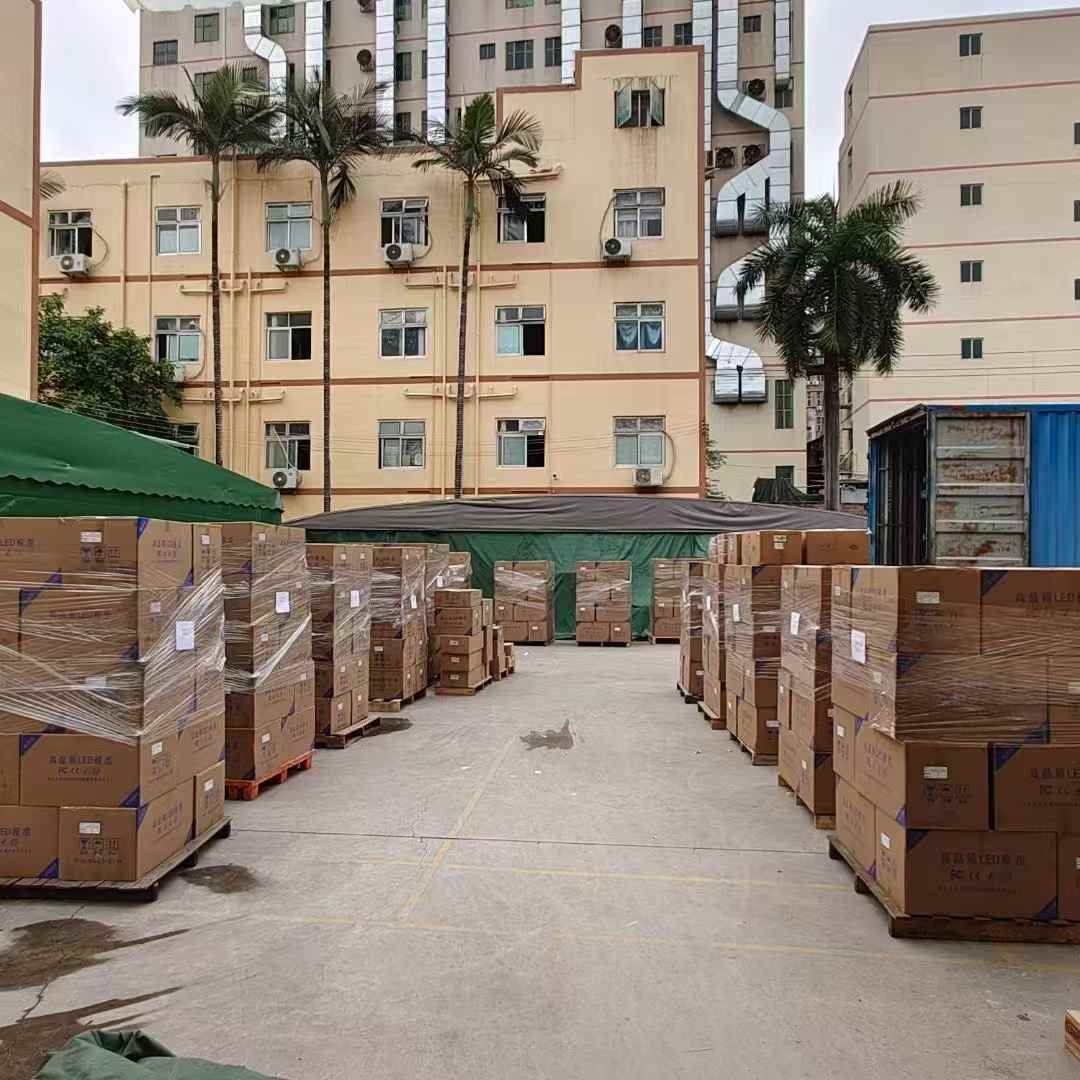
China stands as the undisputed global manufacturing hub for LED display technology, offering an unparalleled combination of innovation, scale, and competitive pricing. For engineering contractors, advertising media specialists, and stage rental companies worldwide, the prospect of sourcing directly from Chinese factories for import LED screen from China is highly attractive, promising significant cost advantages and access to cutting-edge technology. However, this vast and competitive market also presents a minefield of potential pitfalls. Without expert guidance, buyers can fall victim to inexperienced middlemen, subpar quality, misleading specifications, and inadequate after-sales support, jeopardizing project success and profitability. This authoritative guide is designed to equip you with the critical knowledge needed to proactively avoid the five most common and costly mistakes when you import LED screen from China, ensuring a secure, high-quality, and successful procurement experience.
The Allure and Risks of Sourcing LED Screens from China
The primary drivers for businesses looking to import LED screen from China are compelling:
- Cost Efficiency: Direct factory pricing can be significantly lower than local distributors, maximizing project margins.
- Technological Advancement: Access to the latest R&D and manufacturing innovations.
- Vast Supplier Network: An expansive choice of manufacturers catering to diverse needs.
- Production Capacity: Ability to handle large-volume orders with relatively fast turnaround.
However, these benefits come with inherent risks that, if not managed proactively, can lead to substantial financial losses, project delays, and reputational damage. These include language barriers, quality control inconsistencies, intellectual property concerns, and unreliable after-sales service. The key to success lies in meticulous due diligence and strategic partnership.
Mistake 1: Failing to Verify the Authenticity of the “Factory”
One of the most pervasive and costly mistakes when you import LED screen from China is dealing with a trading company or middleman masquerading as a direct manufacturer. These entities often add unnecessary markups, lack genuine technical expertise, and provide inconsistent quality control, making direct LED screen factory verification paramount.
How to Verify a Real LED Screen Factory: - On-site Audits: The most reliable method is to conduct or commission a third-party audit of the factory premises. This verifies actual manufacturing capabilities, production lines, R&D facilities, and quality control processes.
- Business Registration Checks: Request copies of business licenses and verify them with official Chinese government databases. Look for a registered capital that reflects genuine manufacturing scale.
- Certifications: Demand international certifications such as ISO 9001 (Quality Management), ISO 14001 (Environmental Management), CE, RoHS, FCC, UL, etc. Verify these certifications with the issuing bodies.
- Client References: Ask for references from reputable international clients and follow up on them.
- Technical Team & R&D: A real LED screen factory will have an established in-house R&D department and a knowledgeable technical team capable of discussing complex specifications and providing engineering support. Trading companies often lack this depth.
- Video Tours/Live Calls: Request live video tours of their production facility and conduct video calls with their technical leads to assess their expertise firsthand.
The Cost of Failure: Dealing with a middleman can lead to inflated prices, compromised quality control (as they outsource to the cheapest provider), lack of direct technical support, and an inability to resolve issues efficiently.
Mistake 2: Neglecting Comprehensive Warranty Terms and Service Agreements
A quality LED screen factory stands behind its products with robust warranty terms and clear service agreements. Overlooking the fine print of these contracts can leave you exposed to significant costs and operational disruptions when inevitable issues arise.
Essential Warranty and Service Agreement Checks: - Warranty Period: Standard industry warranties range from 2 to 5 years. Ensure this covers critical components like LED modules, power supplies, and control cards.
- Coverage Scope: Clearly define what is covered (parts, labor, shipping) and what voids the warranty.
- Spare Parts Provision: Insist on a guaranteed supply of spare parts (e.g., 2-5% of total modules and power supplies) to minimize downtime. Clarify pricing and lead times for additional spare parts.
- Technical Support: Detail the level of technical support provided (e.g., 24/7 online support, remote diagnostics, on-site technician availability).
- RMA Process: Establish a clear and efficient Return Merchandise Authorization (RMA) process for faulty components, including who bears shipping costs and typical repair/replacement turnaround times.
- Training: Ensure your technical team receives adequate training on installation, operation, and basic troubleshooting from the LED screen factory.
The Cost of Failure: Inadequate warranty or service can result in lengthy downtime, expensive out-of-pocket repair costs, and frustrated end-clients.
Mistake 3: Overlooking Rigorous Quality Control and Testing Protocols
Assuming consistent quality from any manufacturer in China is a grave error. Variability exists, and without stringent quality control (QC) and testing protocols, you risk receiving defective products that compromise project integrity and financial viability.
Implementing Rigorous Quality Control: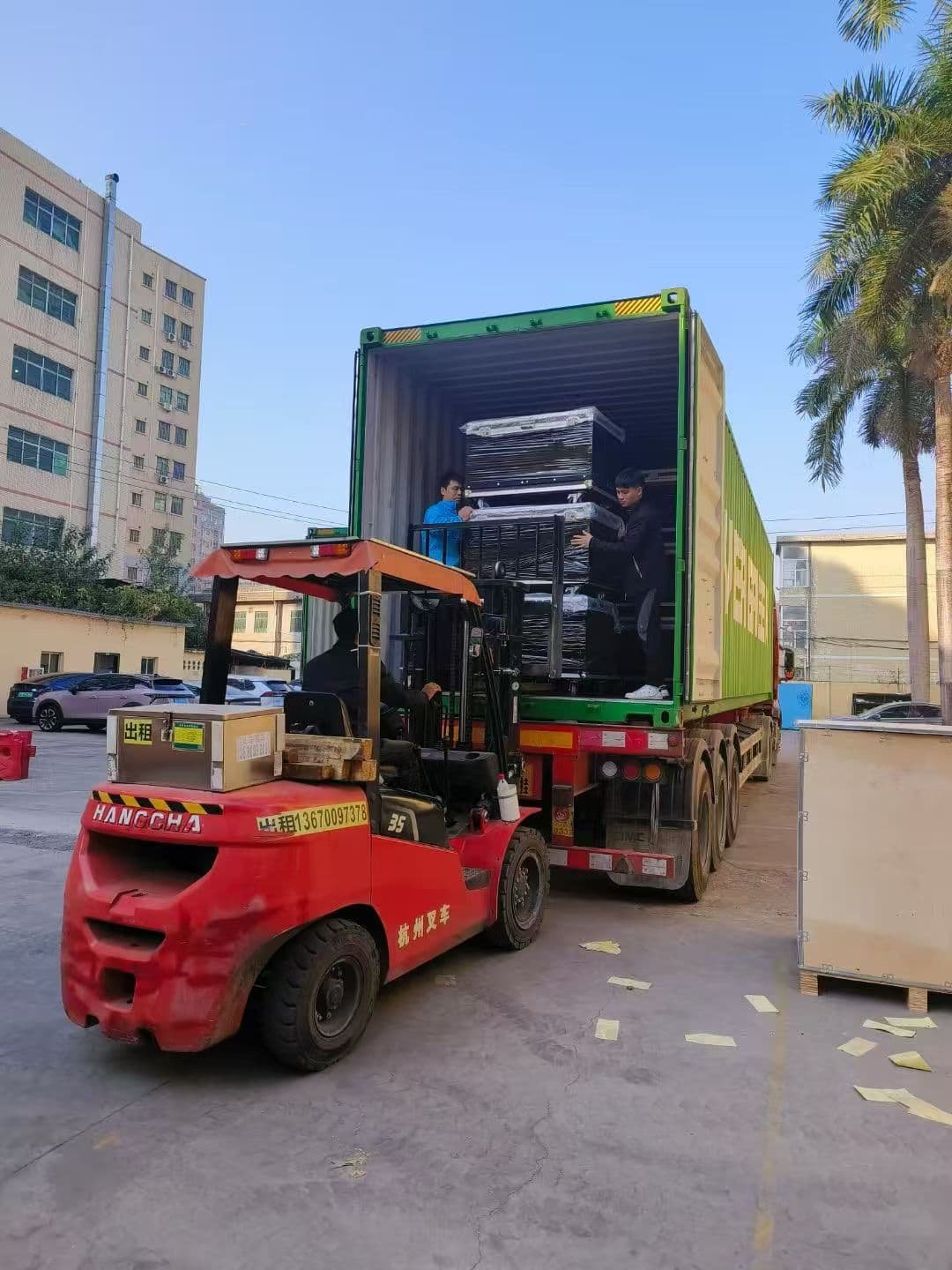
- Pre-Production Sample Approval: Always approve a sample module or cabinet before mass production commences.
- In-Process QC: Ensure the LED screen factory has documented and auditable in-process quality control steps at every stage:
• IQC (Incoming Quality Control): Inspection of raw materials (LED chips, driver ICs, PCBs, power supplies).
• IPQC (In-Process Quality Control): Checks during module assembly, cabinet fabrication, and wiring.
• OQC (Outgoing Quality Control): Final inspection of finished products. - Aging Test: Insist on comprehensive aging tests for at least 72 hours (preferably 100+ hours) for all finished displays. This involves running the screens at full capacity to expose any early-life failures.
- Third-Party Inspection: Engage independent third-party inspection agencies (e.g., SGS, Bureau Veritas) to conduct pre-shipment inspections and verify product quantity, quality, and adherence to specifications.
- Detailed Test Reports: Demand comprehensive test reports for each batch, including brightness, color uniformity, refresh rate, and IP rating.
The Cost of Failure: Subpar quality leads to high failure rates, costly replacements, project delays, warranty claims, and reputational damage.
Mistake 4: Misleading Specifications and Lack of Transparency
The LED display industry has complex technical specifications. Some suppliers, particularly unscrupulous ones, may present inflated or ambiguous specs to win contracts. A lack of transparency in component sourcing or actual performance data can lead to un
der performing products.
Ensuring Specification Accuracy and Transparency: - Detailed Spec Sheets: Demand comprehensive data sheets for the exact model you are purchasing, not generic brochures.
- Key Component Disclosure: Require explicit disclosure of key component brands (e.g., LED chip manufacturer, driver IC brand, power supply brand). Cross-reference these with your quality requirements.
- Performance Verification: Understand how key metrics (brightness, refresh rate, contrast ratio, IP rating) are measured and request proof of testing (e.g., spectroradiometer reports).
- Sample Testing: Conduct independent testing of received samples to verify advertised performance against actual output.
- Avoid “Too Good to Be True” Offers: Extremely low pricing often indicates compromises in component quality or misleading specifications.
The Cost of Failure: Underperforming displays fail to meet client expectations, leading to expensive disputes, loss of future business, and reputational damage for your projects.
Mistake 5: Neglecting Payment Security and International Trade Compliance
International payments and trade logistics can be complex. Inadequate attention to payment security and compliance can expose you to fraud, customs delays, and legal issues.
Ensuring Payment Security and Compliance: - Secure Payment Methods: Prioritize secure payment methods like Telegraphic Transfer (T/T) to the factory’s corporate bank account (verified against their registration). For initial orders, consider Escrow services or Letters of Credit (L/C) for added protection. Avoid Western Union or direct personal bank transfers.
- Clear Incoterms: Clearly define Incoterms (e.g., FOB, CIF, DDP) to establish responsibilities for shipping, insurance, and customs duties.
- Customs Documentation: Ensure all necessary customs documentation (Commercial Invoice, Packing List, Bill of Lading/Air Waybill, Certificate of Origin, CE/FCC/RoHS certificates) is accurate and complete to avoid delays.
- Contract Review: Engage legal counsel to review the purchase contract, ensuring all terms and conditions are clear, enforceable, and protect your interests.
- Insurance: Always insure your shipments against damage or loss during transit.
The Cost of Failure: Fraudulent payments, lengthy customs delays, unexpected duties, or legal disputes can severely impact project timelines and profitability.
LSON Display: Your Trusted Partner for Importing LED Screens from China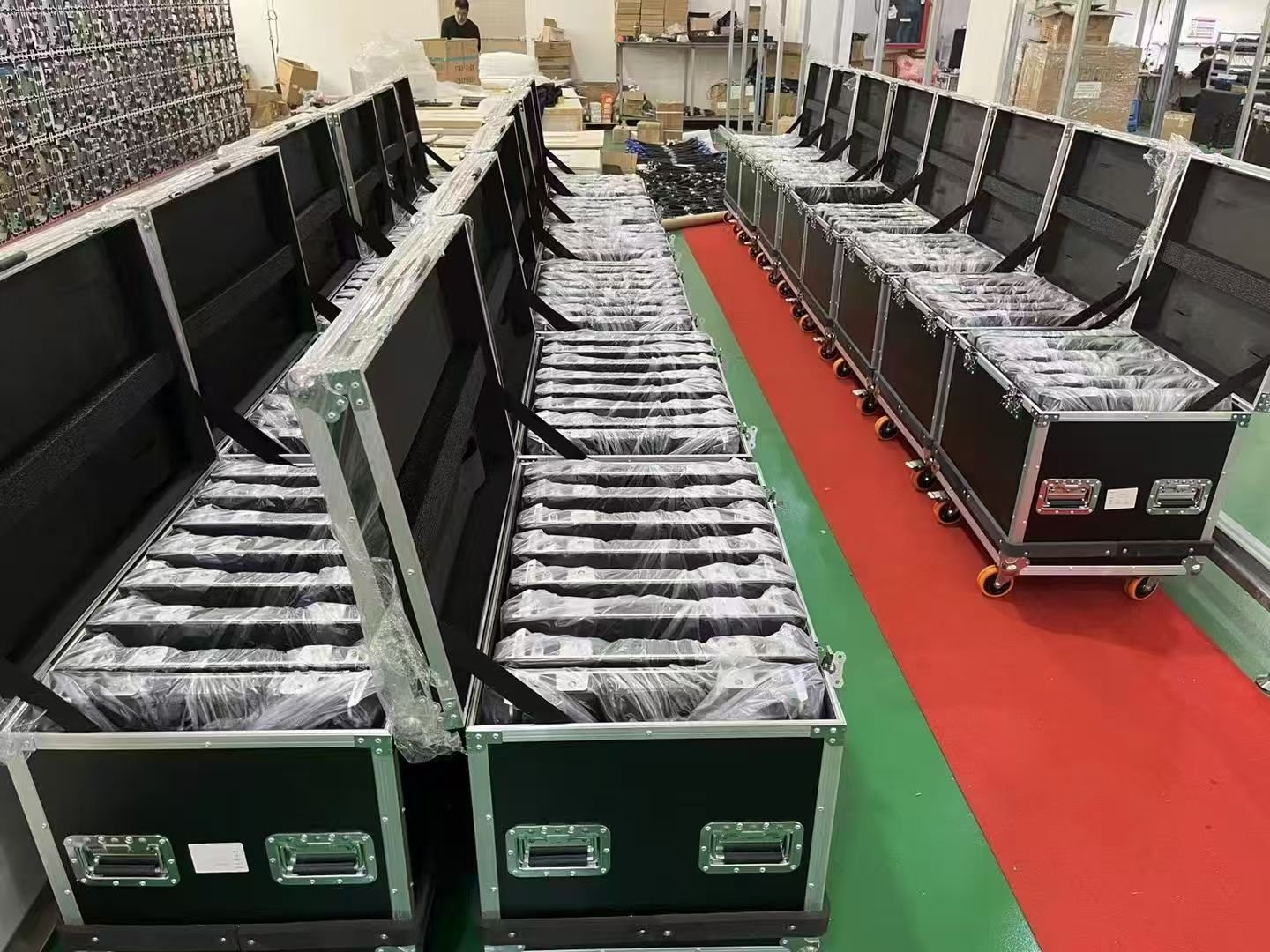
Navigating the intricacies of import LED screen from China requires a partner who embodies transparency, integrity, and proven manufacturing excellence. LSON Display, with 15 years of unwavering commitment to quality and client success, is a genuine LED screen factory renowned for our rigorous quality control, transparent specifications, and comprehensive after-sales support. We proactively address every potential pitfall, ensuring you receive high-performance LED displays that meet global standards. Our direct factory model eliminates middlemen, offering competitive pricing, robust warranty terms, and dedicated technical expertise. From validating product specifications to ensuring secure payment processes, we guide you through every step, transforming the challenge of international sourcing into a seamless, profitable experience.
Conclusion: Empowering Informed Procurement for Global Success
The opportunity to import LED screen from China offers significant strategic advantages for engineering contractors, advertising media specialists, and stage rental companies worldwide. However, maximizing these benefits and mitigating inherent risks demands vigilance and expertise. By diligently verifying your supplier as a genuine LED screen factory, scrutinizing warranty terms, demanding rigorous quality control, ensuring transparent specifications, and safeguarding payment security, you can proactively avoid common and costly mistakes. Partner with a trusted manufacturer like LSON Display, and transform the complexity of global sourcing into a strategic pillar for your project’s success, securing high-quality, reliable LED displays that deliver unparalleled visual impact and long-term value.
Frequently Asked Questions (FAQ)
Q1: What is the most crucial step when trying to verify if a supplier is a real “LED screen factory” in China?
A1: The most crucial step is to conduct or commission on-site factory audits. This directly verifies their actual manufacturing capabilities, production lines, R&D facilities, and quality control processes, differentiating genuine factories from trading companies. Other steps include checking business registrations and certifications.
Q2: What are “warranty terms” and why are they so important when importing LED screens from China?
A2: Warranty terms define the manufacturer’s guarantee for product quality and longevity, typically covering parts and sometimes labor for a specified period (e.g., 2-5 years). They are crucial because they protect your investment by outlining the manufacturer’s responsibility for defects and repairs, significantly impacting long-term operational costs and downtime.
Q3: How can I ensure “high-quality control” when I import LED screen from China?
A3: To ensure high-quality control, you should insist on comprehensive QC protocols, including: - Pre-production sample approval.
- In-process quality checks (IQC, IPQC, OQC).
- Rigorous aging tests (72-100+ hours).
- Engaging third-party inspection agencies for pre-shipment verification.
- Demanding detailed test reports for each batch.
Q4: What information should a genuine LED screen factory provide for “transparent specifications”?
A4: A genuine LED screen factory should provide detailed data sheets for the exact model, explicit disclosure of key component brands (e.g., LED chip, driver IC, power supply), and clear performance metrics (brightness, refresh rate, IP rating) with proof of testing. This transparency prevents misleading claims and ensures you receive the product as advertised.
Q5: What are the best practices for “payment security” when importing LED screens from China?
A5: Best practices for payment security include prioritizing secure methods like Telegraphic Transfer (T/T) to the verified corporate bank account of the factory. For larger or initial orders, consider using Escrow services or Letters of Credit (L/C) for enhanced protection. Always confirm the factory’s registered business details and avoid transfers to personal accounts.