
Anti-Corrosion Solutions for LED Billboards in Seaside Environments – Expert Technical Guide
As a World-Class LED Display Technical Consultant, I understand the critical decisions businesses face when investing in high-impact visual communication. The environment in which an LED display operates profoundly dictates its longevity, performance, and ultimately, its return on investment. For businesses strategically targeting high-traffic seaside locations, the promise of unparalleled visibility comes with a formidable adversary: corrosion. This deep-dive article will explore advanced anti-corrosion solutions, providing the technical insights necessary to safeguard your LED billboard investment against the relentless forces of coastal elements.
Conquering Coastal Corrosion: Advanced Anti-Corrosion Solutions for Maximizing LED Billboard Lifespan and ROI in Seaside Environments
Executive Summary: Protecting Your Vision, Preserving Your Investment
Deploying LED billboards in vibrant seaside environments offers unparalleled advertising reach, yet exposes them to an exceptionally aggressive corrosive cocktail of salt spray, high humidity, and intense UV radiation. Standard outdoor LED displays, while robust for typical urban settings, are simply ill-equipped to withstand these conditions, leading to premature failure, escalating maintenance costs, significant downtime, and ultimately, a compromised brand image. This article delves into the imperative of implementing advanced anti-corrosion solutions – a strategic investment that translates directly into a dramatically extended operational lifespan, drastically reduced total cost of ownership (TCO), and a substantial boost in return on investment (ROI). By adopting purpose-built technologies, businesses can transform a high-risk deployment into a sustainable, high-impact asset, ensuring uninterrupted performance and protecting their crucial visual communication infrastructure.
The Corrosive Threat: Understanding Seaside Aggression
Seaside environments present a unique and complex challenge for electronic equipment. The air is laden with microscopic salt particles, primarily sodium chloride (NaCl), which, when combined with high atmospheric humidity, forms a highly conductive electrolyte. This accelerates electrochemical reactions on metal surfaces, initiating and propagating corrosion at an alarming rate. Beyond direct salt spray, other factors contribute: high moisture content in the air facilitates the formation of galvanic cells between dissimilar metals, leading to accelerated localized corrosion; intense ultraviolet (UV) radiation degrades polymer-based components, protective coatings, and seals, exposing underlying sensitive materials to further attack; and fluctuating temperatures cause thermal expansion and contraction, which can stress and compromise protective barriers, creating pathways for moisture and salt ingress.
The impact on LED billboards is pervasive, affecting every component: printed circuit boards (PCBs) suffer from trace oxidation and short circuits; connectors and power supplies corrode, leading to intermittent power or complete failure; LED modules themselves experience premature degradation of their encapsulation and solder joints; and the structural integrity of frames, cabinets, and mounting hardware is compromised, posing significant safety risks and operational liabilities. Without robust, purpose-engineered anti-corrosion measures, an LED billboard’s expected lifespan in such an environment can plummet from a typical 5-7 years to a mere 1-3 years, making the initial investment economically unsustainable.
Deep Dive into Advanced Anti-Corrosion Technologies for LED Billboards
Mitigating corrosion in seaside LED billboards requires a multi-faceted approach, integrating cutting-edge materials science, sophisticated manufacturing processes, and intelligent design principles. No single solution is sufficient; rather, it’s the synergistic application of these technologies that delivers true resilience.
1. Specialized Coatings and Surface Treatments
- Marine-Grade Conformal Coatings for PCBs: Far superior to standard coatings, these are typically multi-layered (e.g., silicone-modified urethanes or advanced epoxies) applied with precision via automated spray or dipping processes. They create a robust, impermeable dielectric barrier over PCBs, protecting sensitive electronic components from moisture, salt, dust, and chemical contaminants. Key properties include excellent adhesion, flexibility to withstand thermal cycling without cracking, and high dielectric strength. Some advanced formulations even include self-healing properties or anti-fungal agents.
- Multi-Layer Powder Coating Systems for Cabinetry and Frames: For external metal components like cabinets, module frames, and structural supports, a multi-layer protective system is essential. This typically starts with a thorough pre-treatment (e.g., zinc phosphating) followed by a zinc-rich primer for cathodic protection, and then one or more layers of high-grade, marine-grade powder coating (e.g., polyester or fluorocarbon-based). These coatings offer superior hardness, UV resistance, adhesion, and an impenetrable barrier against environmental aggressors.
2. Superior Material Selection
- Anodized Marine-Grade Aluminum Alloys: For cabinet construction and module frames, alloys like 6061 or 5052 are preferred, specifically those engineered for enhanced corrosion resistance. Anodizing further thickens the natural oxide layer, creating a harder, more durable, and highly corrosion-resistant surface that can withstand the abrasive action of wind-borne sand and salt.
- 316L Stainless Steel Hardware and Fasteners: Crucial for all external fasteners, hinges, and mounting brackets. Standard stainless steel (e.g., 304) is prone to pitting corrosion in chloride-rich environments. 316L, with its higher molybdenum content, offers significantly enhanced resistance to pitting and crevice corrosion, making it indispensable for seaside applications.
- High-Performance Engineering Plastics and Composites: Used for non-load-bearing enclosures, cable glands, and internal components where metal corrosion is a concern. These materials offer inherent corrosion resistance, UV stability, and often reduce overall weight.
3. Advanced Sealing and Ingress Protection (IP)
- High-Grade Gasketing and Sealants: Crucial for maintaining the integrity of the enclosure. Materials like silicone or EPDM (ethylene propylene diene monomer) rubber gaskets, known for their excellent UV resistance, ozone resistance, and elasticity, are employed to create hermetic seals around module edges, cabinet doors, and access points. Advanced sealant compounds are used for cable glands and penetration points, ensuring no capillary action can draw in moisture.
- High IP Ratings: A minimum of IP65 for the front and IP66 for the rear is essential. This signifies complete protection against dust ingress and resistance against powerful jets of water from any direction, and often temporary immersion for the front. Achieving these ratings requires meticulous design, precision manufacturing, and rigorous testing to prevent water and salt from reaching internal electronics.
- Intelligent Drainage and Ventilation: Even with superior sealing, condensation can sometimes form internally. Well-designed enclosures include strategic drainage points and hydrophobic vents (e.g., Gore-Tex membranes) that allow internal moisture to escape while preventing water and contaminants from entering, maintaining internal pressure equilibrium.
4. Robust Thermal Management and Design Considerations
- Efficient Heat Dissipation: Overheating can stress components and seals. Advanced thermal designs, including integrated heat sinks and smart airflow management, ensure components operate within optimal temperature ranges, reducing the likelihood of condensation inside the cabinet.
- Isolated Power Supplies and Signal Paths: Designing for electrical isolation minimizes the risk of ground loops and galvanic corrosion, especially where different metal types are in proximity.
By integrating these sophisticated technologies, LED billboard manufacturers can deliver products capable of withstanding the most aggressive coastal environments, offering businesses peace of mind and significantly extending the lifespan of their digital assets.
Technical Comparison Table: Standard vs. Advanced Anti-Corrosion Solutions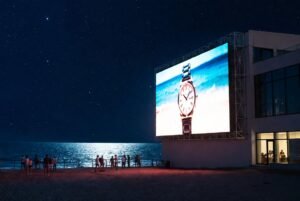
Understanding the stark differences between a standard outdoor LED display and one engineered for severe seaside environments is crucial for making an informed investment. The table below highlights key technical parameters, demonstrating why specialized solutions, while potentially higher in initial cost, offer unparalleled long-term value.
| Feature | Standard Outdoor LED Solution | Advanced Anti-Corrosion Solution (Seaside Grade) |
|---|---|---|
| Primary PCB Protection | Basic single-layer acrylic/epoxy conformal coating (if any) | Multi-layer, marine-grade silicone or urethane conformal coating with superior adhesion and flexibility, often with potting around critical components. |
| Cabinet/Frame Material | Standard aluminum alloy (e.g., 6063) or galvanized steel | Anodized marine-grade aluminum alloy (e.g., 6061, 5052) or 316L stainless steel for critical areas. |
| External Coating System | Single-layer powder coat (polyester) | Multi-layer system: Zinc-rich primer + marine-grade polyester/fluorocarbon powder coat, often with additional anti-UV topcoats. |
| Ingress Protection (IP) Rating | Typically IP65 (front), IP54-IP55 (rear) | Minimum IP67 (front), IP66 (rear) – achieved with high-grade EPDM/silicone gaskets and sealed cable glands. |
| Fasteners/Hardware | Zinc-plated steel or 304 stainless steel | 316L stainless steel for all external and critical internal fasteners, often with dielectric washers. |
| LED Module Encapsulation | Standard epoxy resin | UV-resistant, salt-resistant, and chemically stable silicone or advanced polyurethane encapsulation. |
| Expected Lifespan (Seaside) | 1-3 years (high failure rate) | 7-10+ years (with proper maintenance) |
| Maintenance Frequency | Frequent (monthly to quarterly repairs, component replacement) | Significantly reduced (biannual comprehensive inspections, preventative cleaning) |
| Initial Cost (Relative) | Lower | Higher (typically 20-40% more) |
| Total Cost of Ownership (TCO) | Very High (due to repairs, downtime, early replacement) | Significantly Lower (due to longevity, reduced maintenance, uninterrupted operation) |
Practical Implementation: Ensuring Longevity and Performance
Investing in an anti-corrosion LED billboard is only half the battle. Proper selection, installation, and ongoing maintenance are equally critical to realizing the full benefits of these advanced technologies.
1. Pre-Purchase Due Diligence
- Demand Detailed Specifications: Go beyond generic “outdoor rated.” Request specific details on PCB conformal coating type, thickness, and application method; alloy grades for aluminum; exact stainless steel grades for fasteners; and the specific multi-layer coating system used for external cabinetry.
- Salt Spray and Environmental Testing Reports: Reputable manufacturers will provide independent certification of their products’ performance in accelerated aging and salt spray tests (e.g., ASTM B117, ISO 9227). Verify these reports.
- Manufacturer’s Coastal Track Record: Inquire about successful installations in similar harsh coastal environments and request references. A manufacturer with proven expertise is invaluable.
- Warranty Specifics: Carefully review the warranty terms, especially regarding corrosion. Ensure it clearly covers components susceptible to environmental degradation in a coastal setting.
2. Installation Best Practices
- Professional Installation: Engage experienced technicians who understand the nuances of seaside deployments. Improper installation can compromise even the best anti-corrosion features.
- Proper Grounding: A robust and correctly implemented grounding system is vital to prevent stray currents and electrochemical corrosion.
- Dielectric Grease: Apply marine-grade dielectric grease to all exposed electrical connections and cable glands to provide an additional barrier against moisture and salt.
- Avoid Dissimilar Metal Contact: Where possible, minimize direct contact between dissimilar metals, or use insulating washers/gaskets to prevent galvanic corrosion.
- Ensure Proper Drainage: Verify that any integrated drainage channels and hydrophobic vents are clear and unobstructed to allow condensation to escape.
3. Routine Maintenance Protocols
- Regular Visual Inspections (Quarterly): Conduct thorough visual checks for any signs of surface corrosion, peeling paint, compromised seals, or physical damage. Pay close attention to fasteners, cable glands, and module edges. Early detection is key to preventing escalation.
- Gentle Cleaning (Bi-annually or as needed): Use only de-ionized water or a mild, non-abrasive, non-corrosive cleaning solution specific for LED displays. Avoid high-pressure washers, which can force water past seals and damage components. Gently wipe surfaces to remove salt deposits and grime.
- Seal and Gasket Checks: Inspect all rubber gaskets and sealants for cracking, hardening, or displacement. Replace any compromised seals immediately.
- Fastener Torque and Integrity: Periodically check the torque of all external fasteners and inspect for any signs of corrosion. Tighten loose fasteners and replace any that show significant corrosion with 316L stainless steel replacements.
- Internal Environment Monitoring: If the display features internal humidity sensors or desiccant packs, monitor their status and replace desiccants as recommended by the manufacturer.
Adhering to these practical steps ensures that your investment in an advanced anti-corrosion LED billboard delivers its promised longevity and keeps your message shining brightly for years to come.
FAQ Section: High-Level Technical Questions
Q1: What specific types of corrosion pose the greatest threat to LED billboards in seaside environments?
A1: The primary threats are electrochemical corrosion, particularly exacerbated by chloride ions (salt spray), which accelerate oxidation of metals like aluminum and steel. Galvanic corrosion is also a significant concern, occurring when dissimilar metals are in electrical contact within an electrolyte (saltwater), leading to preferential corrosion of the less noble metal. Lastly, crevice corrosion can be highly destructive, initiated in narrow gaps or shielded areas where stagnant electrolyte allows for localized depletion of oxygen, creating an aggressive acidic environment that rapidly attacks the metal.
Q2: How do advanced conformal coatings differ from standard PCB protection, and what benefits do they offer?
A2: Advanced conformal coatings for seaside environments go beyond typical single-layer acrylic or urethane coatings. They are often multi-layered, thicker, and composed of specialized materials like silicone-modified urethanes or advanced epoxies with superior dielectric properties, moisture barrier characteristics, and flexibility. Benefits include enhanced crack resistance during thermal cycling, greater chemical inertness to salt and pollutants, superior adhesion to various substrates, and in some cases, hydro-repellent or self-healing properties. This robust protection dramatically extends the operational life of sensitive PCB components by preventing moisture and salt ingress.
Q3: Beyond initial installation, what long-term maintenance implications should I expect for a seaside LED display equipped with these advanced anti-corrosion features?
A3: While advanced anti-corrosion features significantly reduce the frequency and severity of maintenance compared to standard displays, they do not eliminate it entirely. Long-term implications involve a shift from reactive repairs to proactive, preventative care. This includes biannual comprehensive visual inspections for early signs of wear on seals, coatings, and fasteners; gentle cleaning with appropriate solutions to remove salt buildup; and periodic checks of internal humidity control systems. The goal is to maintain the integrity of the protective barriers, ensuring that the display continues to perform optimally throughout its extended lifespan, minimizing unexpected downtime and costly emergency repairs.
Conclusion: The Unquestionable Value of Anti-Corrosion Investment
For businesses seeking to harness the immense advertising potential of seaside locations, the strategic decision to invest in LED billboards must be coupled with an equally strategic commitment to advanced anti-corrosion solutions. While the upfront cost may be marginally higher, the unparalleled longevity, drastically reduced maintenance requirements, minimal downtime, and sustained visual integrity offered by purpose-built, seaside-grade displays deliver an overwhelmingly superior total cost of ownership and an optimized return on investment. As a World-Class LED Display Technical Consultant, I assert that neglecting anti-corrosion measures in these challenging environments is not an option – it is a critical vulnerability that will lead to rapid asset degradation. Embrace these advanced technologies to ensure your brand shines brightly, powerfully, and reliably, for years to come. Consult with expert manufacturers today to fortify your vision against the elements.