Unlocking Urban Potential: How Smart LED Light-Pole Screens with IoT Connectivity Drive Sustainable, Profitable Smart City Development
Unlocking Urban Potential: How Smart LED Light-Pole Screens with IoT Connectivity Drive Sustainable, Profitable Smart City Development
Executive Summary: Maximizing ROI and Business Value Through Integrated Smart City Displays
In the rapidly evolving landscape of urban development, the concept of a ‘Smart City’ is transitioning from theoretical vision to tangible reality. At the forefront of this transformation are advanced LED light-pole screens, seamlessly integrated with Internet of Things (IoT) connectivity. This synergistic approach redefines urban infrastructure, moving beyond mere illumination and digital signage to create intelligent, responsive, and data-driven civic environments. For municipalities, urban planners, advertisers, and technology providers, this represents a profound opportunity to generate substantial Return on Investment (ROI) and unlock significant business value.
Smart LED light-pole screens, powered by IoT, offer unprecedented operational efficiencies by consolidating multiple urban services into a single, cohesive platform. They enable real-time data collection for traffic management, environmental monitoring, public safety, and energy optimization. This granular data empowers predictive analytics and proactive management, leading to reduced operational costs, improved resource allocation, and enhanced public services. Beyond operational savings, these intelligent displays open new revenue streams through dynamic, targeted Out-of-Home (DOOH) advertising, localized content delivery, and even public Wi-Fi monetization. Furthermore, by improving citizen engagement, safety, and environmental quality, these solutions foster a higher quality of urban life, attracting investment and talent. Investing in this technology is not just an upgrade; it’s a strategic move towards a future-proof, sustainable, and economically vibrant urban ecosystem, leveraging the latest in advanced LED display technology and connectivity to create truly responsive 3D-capable visual communication networks.
The Evolution of Urban Infrastructure: From Basic Lighting to Intelligent Hubs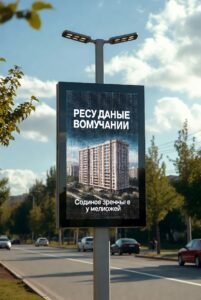
For centuries, the primary function of streetlights has been to illuminate urban spaces, ensuring safety and navigation after dark. While their fundamental purpose remains, the modern streetlight is undergoing a radical transformation. No longer just a source of light, the intelligent light pole is emerging as the backbone of the Smart City, evolving into a multi-functional urban hub. This evolution is driven by the convergence of high-resolution LED display technology, robust IoT sensors, high-speed communication networks, and sophisticated data analytics platforms.
This paradigm shift recognizes that the ubiquitous street pole, strategically positioned throughout urban landscapes, offers an unparalleled platform for deploying a dense network of connected devices. By integrating cutting-edge LED screens, these poles become dynamic communication channels, capable of delivering real-time information, emergency alerts, and targeted advertising. When coupled with IoT sensors, they transform into critical data collection points, monitoring everything from air quality and noise levels to traffic flow and pedestrian density. This consolidation reduces urban clutter, optimizes resource utilization, and lays the groundwork for a truly interconnected, responsive urban ecosystem.
Defining LED Light-Pole Screens in the Smart City Context
At their core, LED light-pole screens are robust, outdoor-rated digital displays engineered for integration directly onto urban light poles. However, in the Smart City paradigm, their definition expands significantly. These are not merely passive screens; they are active components of a larger, intelligent network. Typically featuring high brightness, high contrast ratios, and wide viewing angles, they ensure visibility in all weather conditions and times of day. Their modular design often allows for various configurations, from single-sided displays to multi-panel installations, and with advancements in pixel pitch and refresh rates, they are increasingly capable of delivering immersive visual experiences, even paving the way for advanced 3D content applications when integrated within a broader visual strategy.
Key characteristics include:
- Durability and Environmental Resilience: Designed to withstand extreme temperatures, moisture, dust, and vandalism (IP65/IP66 ratings).
- High Brightness and Clarity: Ensuring readability even under direct sunlight, crucial for public information and advertising.
- Energy Efficiency: Leveraging advanced LED technology and smart power management to minimize consumption.
- Slim and Aesthetically Pleasing Design: Blending seamlessly into urban aesthetics without being intrusive.
- Modular and Serviceable: Allowing for easy maintenance and upgrades without replacing the entire pole structure.
The Power of IoT Integration: Transforming Displays into Intelligent Nodes
The true intelligence of these light-pole screens is unleashed through their seamless integration with IoT connectivity. This isn’t just about showing content; it’s about sensing, processing, and reacting to the urban environment. Each light pole transforms into a multi-functional node, capable of:
Environmental Monitoring
- Air Quality: Sensors measure pollutants (PM2.5, CO2, NOx) providing real-time data for public health advisories and pollution control strategies.
- Noise Pollution: Microphones monitor ambient noise levels, aiding in urban planning and identifying noise hotspots.
- Temperature and Humidity: Providing localized microclimate data valuable for urban heat island mitigation and public comfort.
Traffic Management and Pedestrian Flow Analytics
- Vehicle Detection: Cameras and radar sensors monitor traffic density, speed, and patterns, informing adaptive traffic light systems and dynamic routing.
- Pedestrian Counting: Anonymous tracking of pedestrian movement for crowd management, retail analytics, and public space optimization.
- Parking Management: Sensors can detect available parking spots and display real-time availability on nearby screens, reducing congestion.
Public Safety and Emergency Response
- CCTV Surveillance: Integrated cameras enhance public safety and aid in crime prevention and investigation.
- Emergency Broadcasting: Rapid deployment of emergency alerts, evacuation routes, and public safety messages.
- SOS Call Points: Some advanced poles integrate two-way communication systems for citizens to report emergencies.
Dynamic Content Delivery and Advertising
- Contextual Advertising: Leveraging real-time data (e.g., traffic, weather, events) to deliver highly targeted and relevant digital Out-of-Home (DOOH) advertisements.
- Public Information: Displaying real-time public transport schedules, news, event information, and public service announcements.
- Wayfinding: Dynamic maps and directions to points of interest, public facilities, or event venues.
Smart Lighting Control
- Adaptive Illumination: Sensors detect ambient light levels and presence, adjusting LED brightness to save energy while maintaining optimal visibility.
- Fault Detection: Remote monitoring of LED performance for proactive maintenance and reduced downtime.
Edge Computing Capabilities
Many smart light poles are equipped with edge computing capabilities, allowing data to be processed locally before being sent to the cloud. This reduces latency, conserves bandwidth, and enhances data security, crucial for real-time applications like traffic management and public safety.
Technical Considerations for Deployment
Implementing smart LED light-pole screens requires careful consideration of several technical facets to ensure optimal performance, longevity, and scalability.
Connectivity Infrastructure
- 5G and Wi-Fi 6: Essential for high-bandwidth, low-latency data transmission, supporting real-time video feeds, massive IoT device connectivity, and rapid content updates.
- LoRaWAN/NB-IoT: For lower bandwidth, long-range sensor data transmission, optimizing energy consumption for less critical data points.
- Fiber Optic Backhaul: Provides the robust backbone necessary for aggregating data from multiple poles and ensuring high-speed connectivity to central command centers.
Power Management
- Energy Efficiency: Ultra-efficient LED modules, intelligent dimming, and motion-activated lighting significantly reduce power consumption.
- Renewable Integration: Potential for solar panels and small wind turbines to augment power supply, especially in off-grid or remote locations.
- Smart Grid Integration: Connecting light poles to the city’s smart grid for demand-response capabilities and optimized energy distribution.
Durability and Environmental Resilience
- IP Ratings: Minimum IP65 for outdoor displays, ensuring protection against dust and water jets; often IP66 or higher for more extreme conditions.
- Thermal Management: Advanced cooling systems (e.g., passive heat sinks, smart fans) to ensure optimal operating temperatures and extend component lifespan in varying climates.
- Anti-Vandalism Features: Robust housing, tempered glass, and secure mounting mechanisms to deter theft and damage.
Software and Platform Integration
- Centralized Content Management System (CMS): Intuitive, cloud-based platforms for scheduling, deploying, and monitoring content across all screens.
- Data Analytics Platform: Tools for ingesting, processing, and visualizing data from IoT sensors, providing actionable insights for urban planning and decision-making.
- Open APIs: Enabling seamless integration with existing city infrastructure systems (e.g., traffic control, emergency services, public transport apps).
- Cybersecurity Protocols: Robust encryption, authentication, and regular security audits to protect sensitive data and prevent unauthorized access.
Business Case and ROI for Smart LED Light-Pole Screens
The investment in smart LED light-pole screens with IoT connectivity offers a compelling business case rooted in diversified revenue streams, significant cost efficiencies, and enhanced public value.
Revenue Generation
- Digital Out-of-Home (DOOH) Advertising: High-resolution screens offer prime real estate for dynamic, context-aware advertising. Real-time audience analytics (derived from anonymized pedestrian/traffic data) allow for premium ad rates and hyper-targeted campaigns.
- Data Monetization: Aggregated, anonymized data on traffic patterns, environmental conditions, and pedestrian flow can be valuable for urban planning, retail intelligence, and academic research.
- Public Wi-Fi and 5G Small Cell Hosting: Light poles can host public Wi-Fi access points or 5G small cells, generating revenue through subscription models or infrastructure leasing to telecom providers.
- Electric Vehicle (EV) Charging: Some integrated poles can offer EV charging stations, providing an additional service and potential revenue stream.
Cost Savings and Operational Efficiency
- Energy Savings: Smart LED lighting significantly reduces energy consumption compared to traditional streetlights, especially when combined with adaptive dimming based on ambient light and presence detection.
- Reduced Maintenance Costs: Remote monitoring, predictive maintenance alerts, and modular design reduce the need for physical inspections and expedite repairs, minimizing downtime and labor costs.
- Optimized Resource Allocation: Data-driven insights from IoT sensors enable more efficient deployment of city services (e.g., waste management, public safety patrols).
- Consolidated Infrastructure: Combining lighting, signage, communication, and sensing reduces the need for multiple independent installations, streamlining urban infrastructure and reducing visual clutter.
Enhanced Public Value and Quality of Life
- Improved Public Safety: Real-time surveillance, emergency alerts, and improved visibility contribute to safer urban environments.
- Better Citizen Engagement: Dynamic public information, wayfinding, and community announcements foster a more informed and connected populace.
- Environmental Improvement: Real-time air quality data and smart energy management contribute to a greener, more sustainable city.
- Attraction of Talent and Investment: A technologically advanced, efficient, and pleasant urban environment is more attractive to businesses, residents, and tourists, driving economic growth.
Furthermore, these systems are future-proof. The modular nature of LED displays and the flexible architecture of IoT platforms mean they can adapt to emerging technologies and evolving urban needs, ensuring long-term value creation. The high-definition capabilities inherent in these advanced LED displays also set the stage for future integration of advanced 3D visual content, offering even more immersive advertising and public information experiences.
Technical Comparison Table: Smart LED Light-Pole Screen with IoT vs. Traditional Solutions
| Feature | Traditional Light-Pole (Basic/Dumb) | Smart LED Light-Pole Screen with IoT |
|---|---|---|
| Core Functionality | Static illumination, basic signage (e.g., street name). | Dynamic illumination, real-time public information, targeted advertising, environmental monitoring, traffic management, public safety, Wi-Fi hotspot, EV charging. |
| Connectivity | None beyond power connection. | Integrated 5G/LTE, Wi-Fi 6, LoRaWAN, Fiber Optic backhaul. |
| Data Capability | No data collection or processing. | Real-time data collection (air quality, noise, traffic, pedestrian flow), edge computing, cloud integration, big data analytics. |
| Content Management | Manual updates for physical signage; none for lighting. | Centralized Cloud-based CMS, remote content scheduling, dynamic content adaptation based on real-time data. |
| Energy Efficiency | Fixed brightness, high consumption (often older lamp types). | High-efficiency LEDs, adaptive dimming, presence detection, remote power management, potential for renewable energy integration. |
| Maintenance Model | Reactive (physical inspection, manual repair/replacement). | Proactive (remote diagnostics, predictive maintenance, modular component replacement, reduced truck rolls). |
| Scalability | Limited; each installation is standalone. | Highly scalable network, easily integrates new poles and functionalities; software-defined upgrades. |
| Future-Proofing | Minimal; technology becomes obsolete. | Modular design, software-updatable, open APIs, capable of adapting to future urban needs and technologies (e.g., advanced 3D content). |
| ROI Potential | Cost center for basic urban service. | Significant ROI through revenue generation (DOOH, data monetization), substantial cost savings, and enhanced public value. |
Practical Implementation: Professional Advice for Buying and Maintenance
Buying Advice for Smart LED Light-Pole Screens with IoT
Navigating the acquisition of smart LED light-pole screens requires a strategic, long-term perspective. As a world-class consultant, I advise focusing on the following:
- Comprehensive Needs Assessment: Clearly define your city’s specific challenges and goals. Are you prioritizing environmental monitoring, traffic management, advertising revenue, or public safety? This will dictate the required sensor package, screen specifications (e.g., pixel pitch for optimal viewing distance), and communication protocols.
- Vendor Selection and Partnership: Choose a vendor with a proven track record in both LED display technology and IoT integration for outdoor environments. Look for partners offering:
- Robust hardware designed for extreme outdoor conditions (IP ratings, thermal management, anti-vandalism).
- A scalable, secure, and user-friendly software platform for content management, data analytics, and remote monitoring.
- Comprehensive technical support, training, and ongoing R&D capabilities.
- Experience in smart city projects and system integration with existing municipal infrastructure.
- Scalability and Interoperability: Ensure the chosen system is modular and supports open APIs for seamless integration with future smart city applications and third-party systems. Avoid proprietary lock-ins.
- Security and Privacy: Prioritize solutions with robust cybersecurity frameworks, data encryption, and clear protocols for data collection, anonymization, and privacy compliance (e.g., GDPR, CCPA).
- Pilot Program Strategy: Start with a pilot program in a defined area to test functionality, gather data, and refine implementation strategies before city-wide deployment. This minimizes risk and optimizes resource allocation.
- Total Cost of Ownership (TCO): Look beyond the initial purchase price. Factor in installation costs, energy consumption, maintenance, software licenses, and potential revenue generation over a 10-15 year lifespan.
Maintenance Advice for Optimal Performance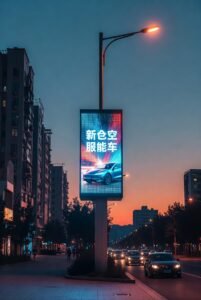
Proactive and intelligent maintenance is paramount for ensuring the longevity, reliability, and continuous performance of your smart LED light-pole screen network.
- Remote Monitoring and Diagnostics: Implement a robust remote monitoring system that tracks the operational status of each screen and integrated sensor (power consumption, temperature, communication status, display health). This allows for proactive identification of issues before they become critical.
- Scheduled Preventative Maintenance: Despite remote monitoring, regular physical inspections are necessary. This includes:
- Cleaning of LED surfaces and sensor lenses to ensure optimal visibility and data accuracy.
- Checking physical connections and mounting hardware for integrity.
- Verification of thermal management systems (fans, vents).
- Testing of emergency broadcasting features and communication modules.
- Modular Design for Rapid Repair: Select systems where LED modules, power supplies, and control cards can be easily swapped out. This significantly reduces repair time and minimizes display downtime.
- Software and Firmware Updates: Regularly update the CMS, operating system, and sensor firmware to benefit from new features, security patches, and performance enhancements. Ensure a secure over-the-air (OTA) update mechanism.
- Data Backup and Disaster Recovery: Implement robust data backup protocols for configuration settings and content libraries. Plan for disaster recovery to ensure rapid restoration of services in case of system failures.
- Cybersecurity Audits: Conduct periodic cybersecurity audits to identify and address vulnerabilities, especially concerning data transmission from IoT sensors and content management access.
FAQ Section
Q1: What is the primary advantage of IoT-enabled light-pole screens over traditional digital signage?
A1: The primary advantage lies in their transformation from passive display units into active, intelligent urban nodes. Traditional digital signage primarily delivers pre-scheduled content. IoT-enabled light-pole screens, however, can dynamically adapt their content based on real-time environmental data (e.g., traffic density, air quality, weather conditions, time of day). They collect valuable data through integrated sensors, enabling adaptive lighting, traffic management, public safety alerts, and highly contextual advertising. This bidirectional communication and data analytics capability creates a far more responsive, efficient, and valuable urban asset, allowing for unprecedented levels of interaction and optimization compared to static or even basic digital signage.
Q2: How do these systems ensure data security and privacy in a smart city environment?
A2: Data security and privacy are paramount for smart city deployments. Robust systems employ a multi-layered approach. This includes end-to-end encryption for all data transmitted between the light pole, edge devices, and cloud platforms. Strong authentication protocols prevent unauthorized access, and regular security audits identify and mitigate vulnerabilities. For privacy, systems are designed to collect anonymized and aggregated data wherever possible, especially concerning human movement or demographic information. Compliance with global data protection regulations (e.g., GDPR, CCPA) is a fundamental requirement, often involving data minimization principles and transparent data usage policies. Edge computing also plays a role by processing sensitive data locally, reducing the amount of raw data transmitted over networks.
Q3: What role does 5G play in maximizing the potential of these integrated systems?
A3: 5G connectivity is a critical enabler for unlocking the full potential of integrated smart LED light-pole screens. Its key benefits include:
- High Bandwidth: Essential for transmitting large volumes of data from high-resolution video streams (surveillance, traffic monitoring) and rapid, high-quality content updates to the LED screens.
- Ultra-Low Latency: Crucial for real-time applications such as adaptive traffic control, immediate emergency broadcasts, and instantaneous sensor data processing at the edge.
- Massive Machine-Type Communications (mMTC): Allows for the efficient and reliable connection of a vast number of IoT sensors and devices integrated into each light pole, creating a dense and pervasive urban sensing network.
- Network Slicing: Enables the creation of dedicated virtual networks for different services (e.g., public safety, traffic management, commercial advertising), guaranteeing performance and security tailored to specific application needs.
Without 5G’s advanced capabilities, the real-time responsiveness, data intensity, and sheer scale of a truly intelligent light-pole network would be significantly constrained.